Moon · missions
Lunar Missions
The missions that reached the Moon — impactors, orbiters, landers and rovers, from Luna 2 to Artemis. Tap any entry to expand.
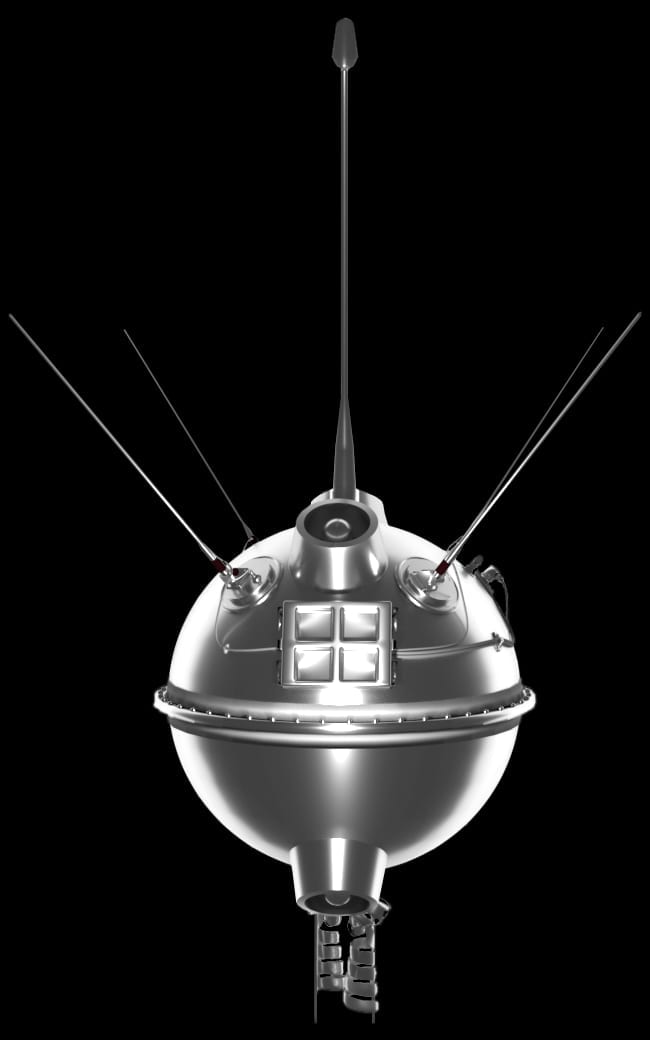
Luna 2
The first human-made object to reach another celestial body, impacting the Moon east of Mare Imbrium in 1959 and confirming the Moon had no significant magnetic field.
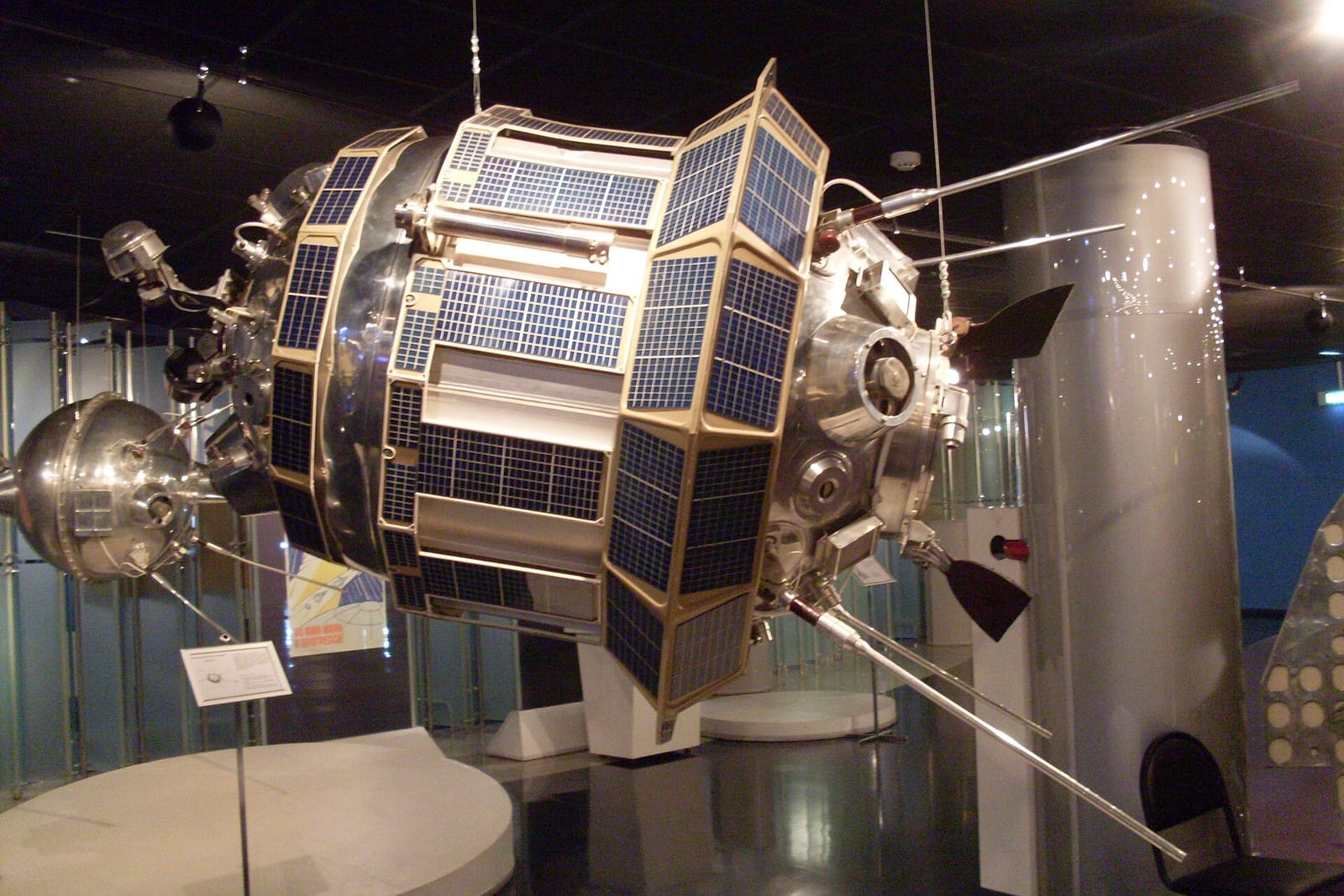
Luna 3
Returned the first photographs of the far side of the Moon in 1959 — a hemisphere never before seen from Earth.
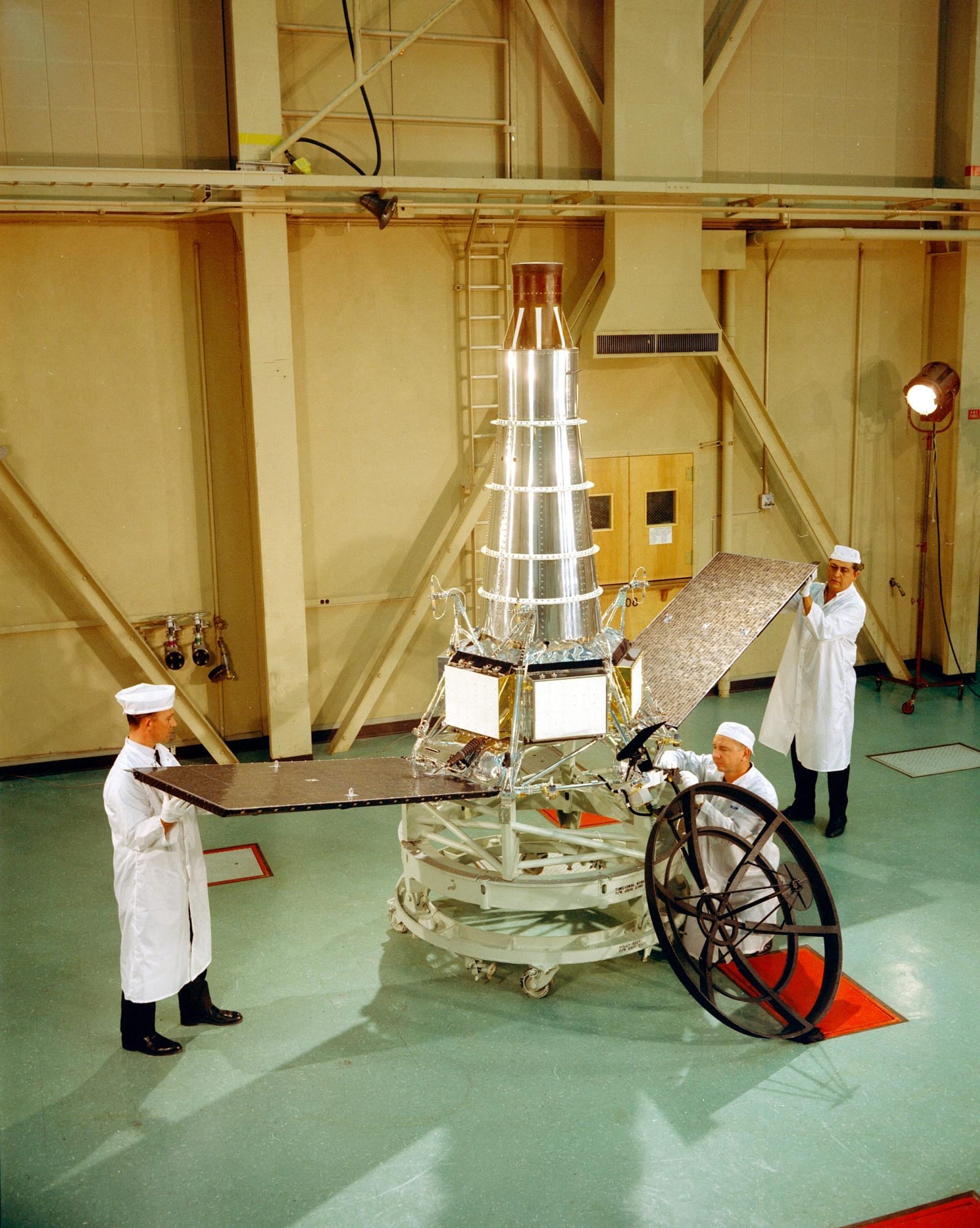
Ranger 7
Returned the first close-up American images of the Moon — over 4,300 photos in the final minutes before it deliberately crashed into Mare Cognitum in 1964.
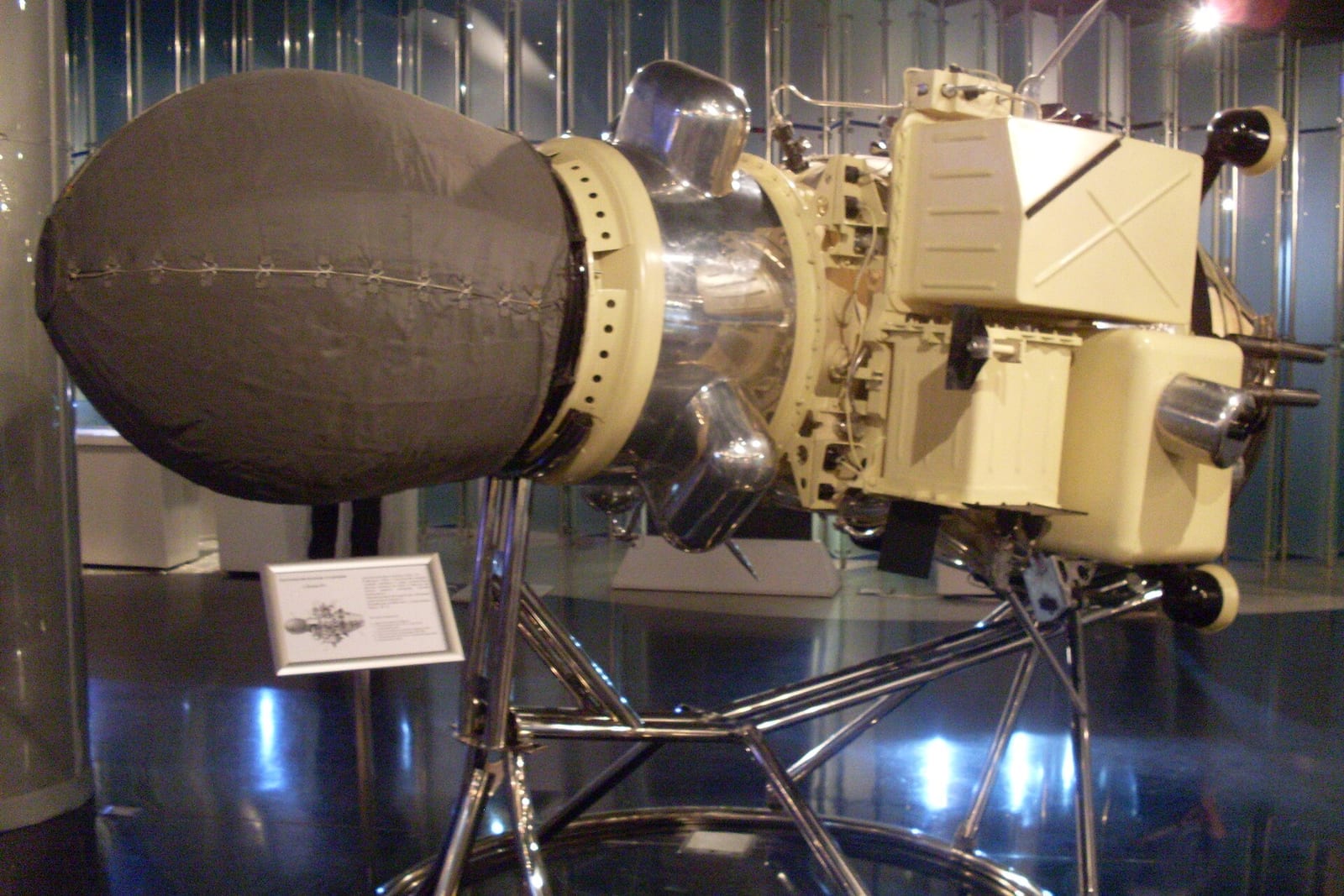
Luna 9
Luna 9 achieved the first survivable soft landing on the Moon. Launched on 31 January 1966, it reached Oceanus Procellarum on 3 February 1966, ejecting a small sealed capsule that came to rest on the surface and unfolded its petal-like covers.
It transmitted the first photographs ever taken from the surface of the Moon — panoramas showing nearby rocks and soil. Crucially, the images proved the ground was firm enough to bear a spacecraft, settling fears that a lander might sink into deep dust.
Key facts
- Operator
- USSR
- Type
- Lander
- Launch
- 31 Jan 1966
- Landing
- 3 Feb 1966
- Landing site
- Oceanus Procellarum
- Outcome
- First lunar soft landing
Highlights
- First survivable soft landing on the Moon.
- Returned the first images ever taken from the lunar surface.
- Proved the surface was solid enough to land on.
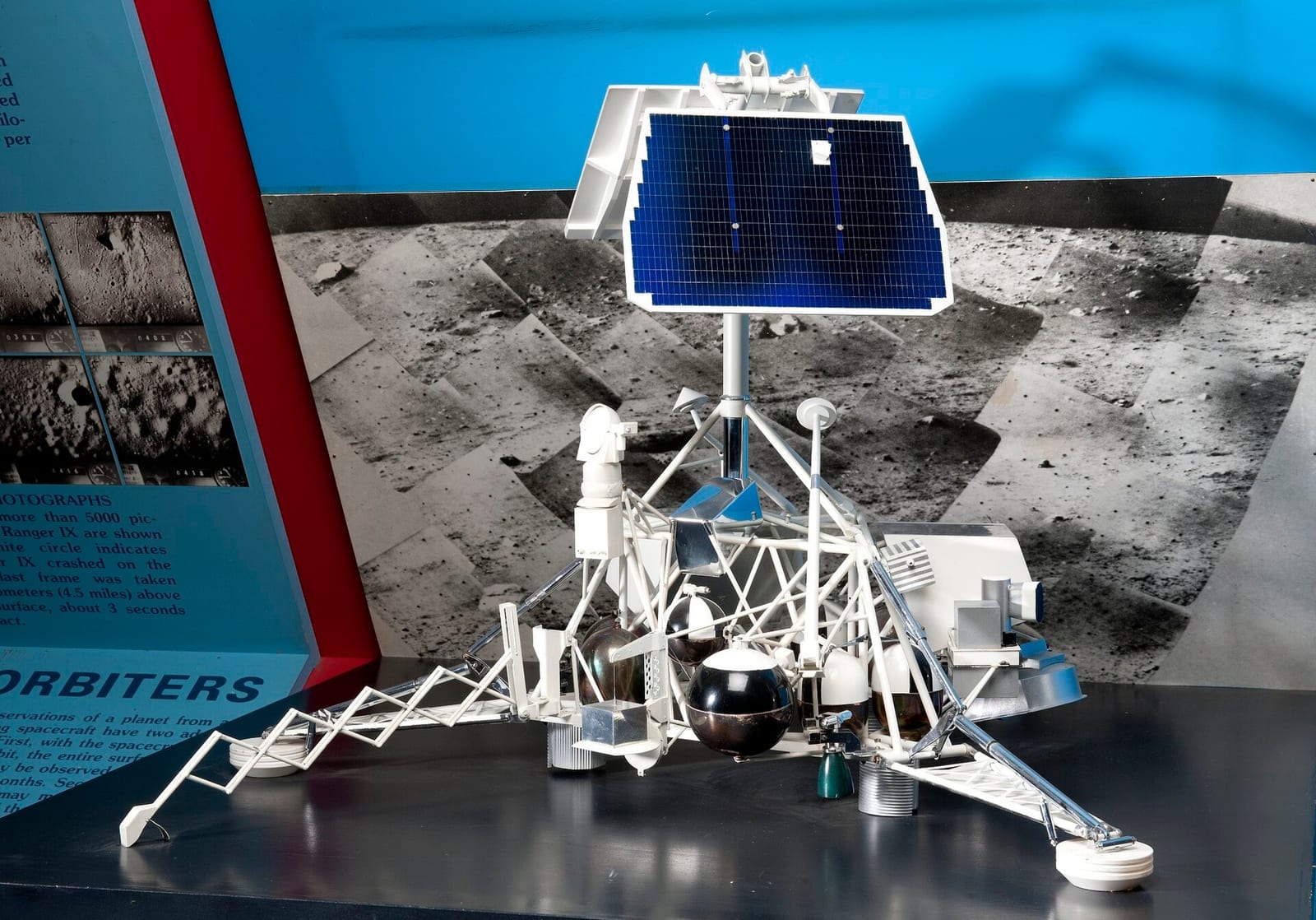
Surveyor 1
The first US soft landing on the Moon; touched down in Oceanus Procellarum and returned over 11,000 images, proving the surface could bear a lander's weight.
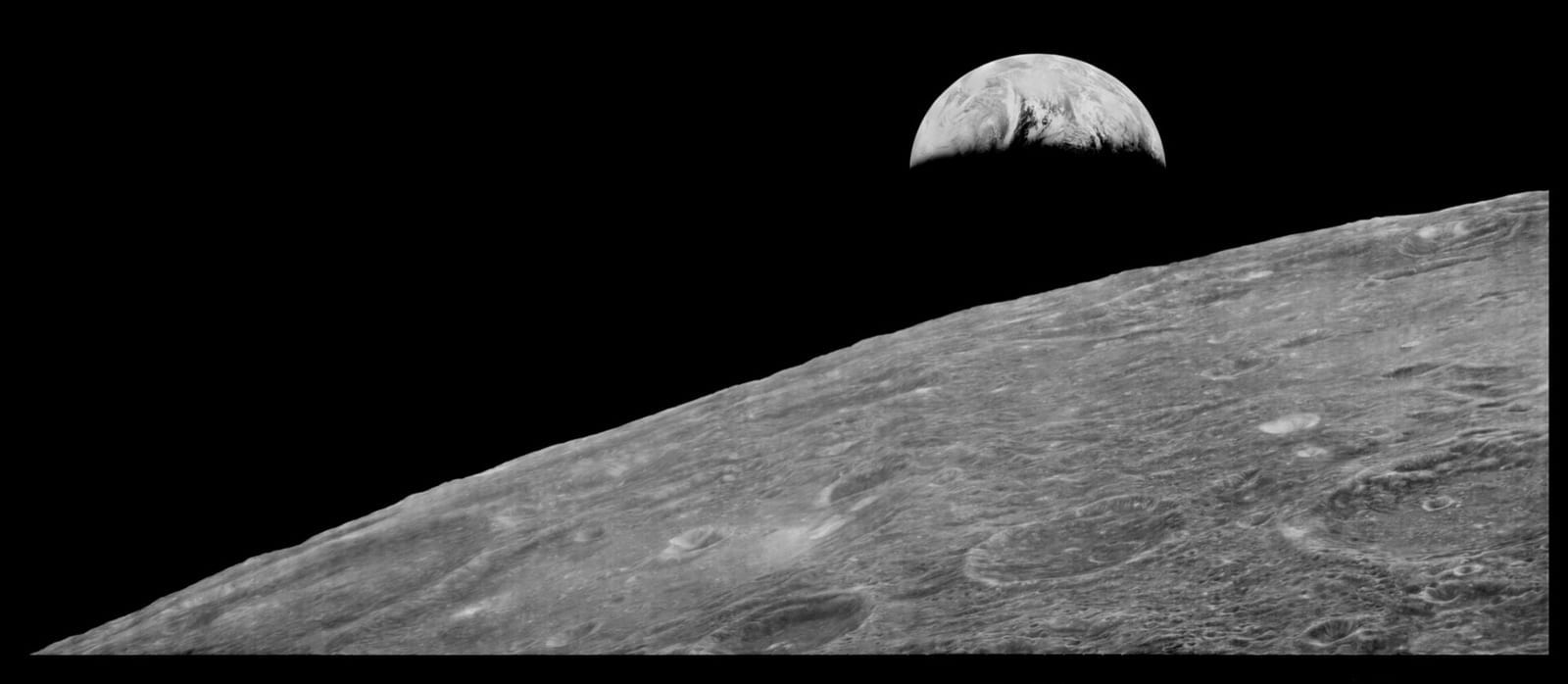
Lunar Orbiter 1
The first US spacecraft to orbit the Moon; photographed candidate Apollo landing sites and captured an early view of Earth rising over the lunar limb.
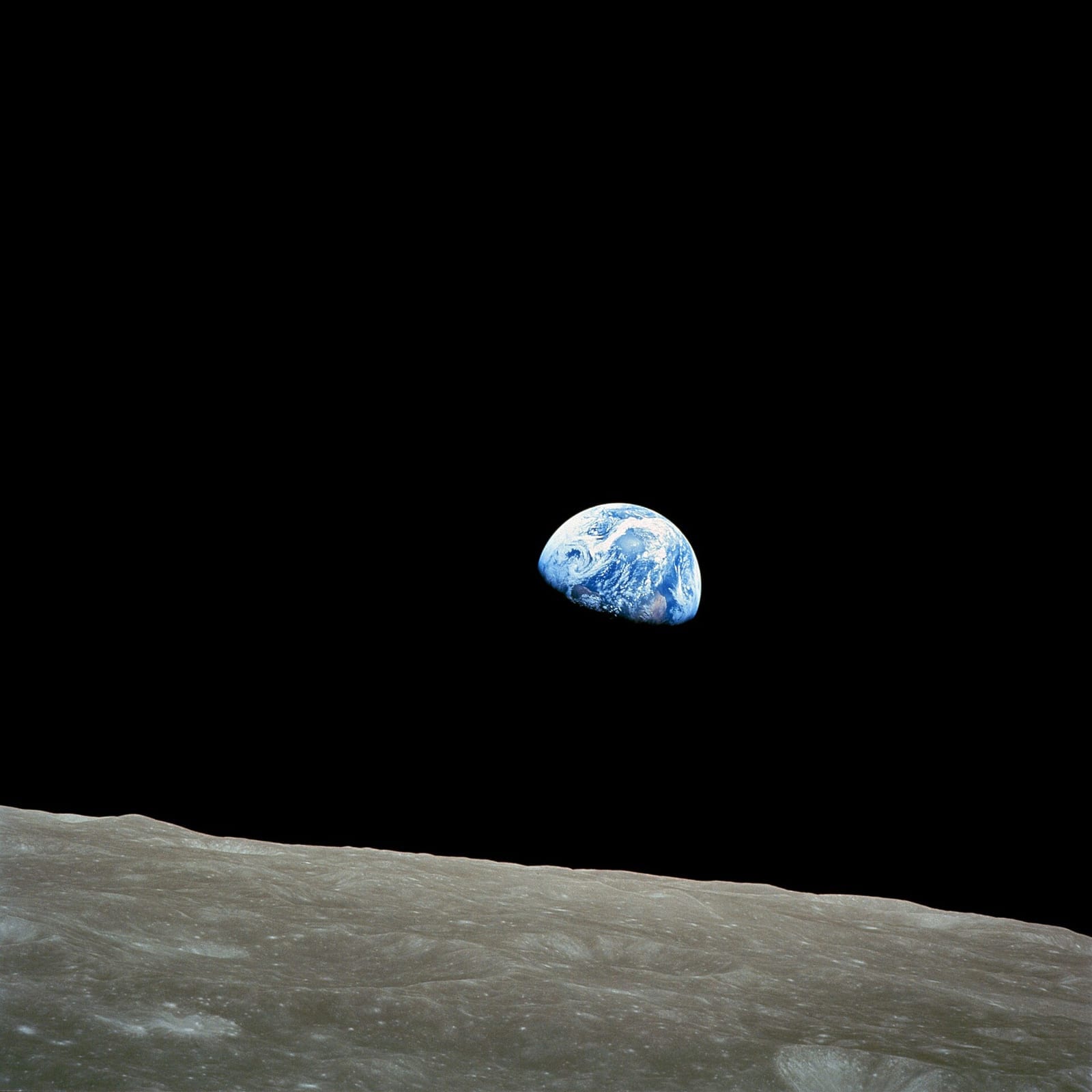
Apollo 8
Apollo 8 was the first crewed spacecraft to leave Earth orbit, travel to the Moon and circle it. Launched on 21 December 1968, astronauts Frank Borman, Jim Lovell and William Anders made ten orbits of the Moon before returning home.
During a Christmas Eve broadcast the crew read from the Book of Genesis to a vast television audience, and Anders captured 'Earthrise' — the now-iconic photograph of Earth rising above the lunar horizon. The mission returned safely on 27 December 1968 and proved the systems and navigation needed for a landing.
Key facts
- Operator
- NASA
- Type
- Crewed orbiter
- Launch
- 21 Dec 1968
- Lunar orbits
- 10
- Crew
- Borman, Lovell, Anders
- Return
- 27 Dec 1968
Highlights
- First humans to leave Earth orbit and circle the Moon.
- Captured the iconic 'Earthrise' photograph.
- Christmas Eve broadcast reached a vast global audience.
- Cleared the path for the first crewed landing.
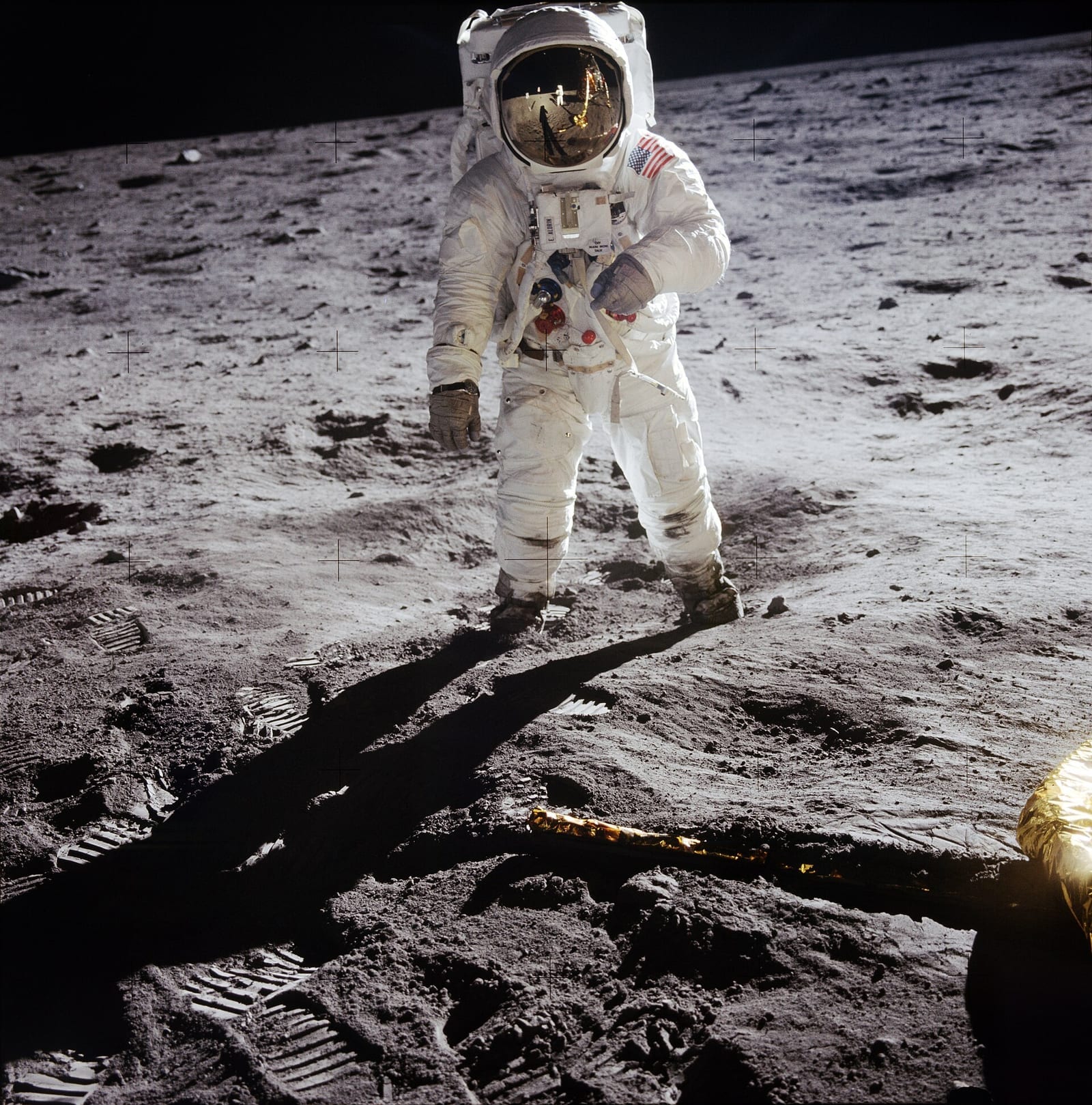
Apollo 11
Apollo 11 carried the first humans to the surface of the Moon. Launched atop a Saturn V on 16 July 1969, the lunar module Eagle touched down in the Sea of Tranquility on 20 July 1969 while Michael Collins orbited overhead in the command module.
Neil Armstrong stepped onto the surface with the words 'one small step for man,' followed by Buzz Aldrin. The pair spent about two and a half hours outside, collecting some 21.5 kg of rock and soil and planting the US flag, before lifting off to rejoin Collins and splash down safely on 24 July 1969.
Key facts
- Operator
- NASA
- Type
- Crewed landing
- Launch
- 16 Jul 1969
- Landing
- 20 Jul 1969
- Landing site
- Sea of Tranquility
- Crew
- Armstrong, Aldrin, Collins
- Samples returned
- ~21.5 kg
Highlights
- Landed the first humans on the Moon.
- Armstrong's first step was watched by hundreds of millions on Earth.
- Returned about 21.5 kg of the first Moon rocks brought home by a crew.
- Fulfilled the goal of a crewed lunar landing set at the start of the decade.
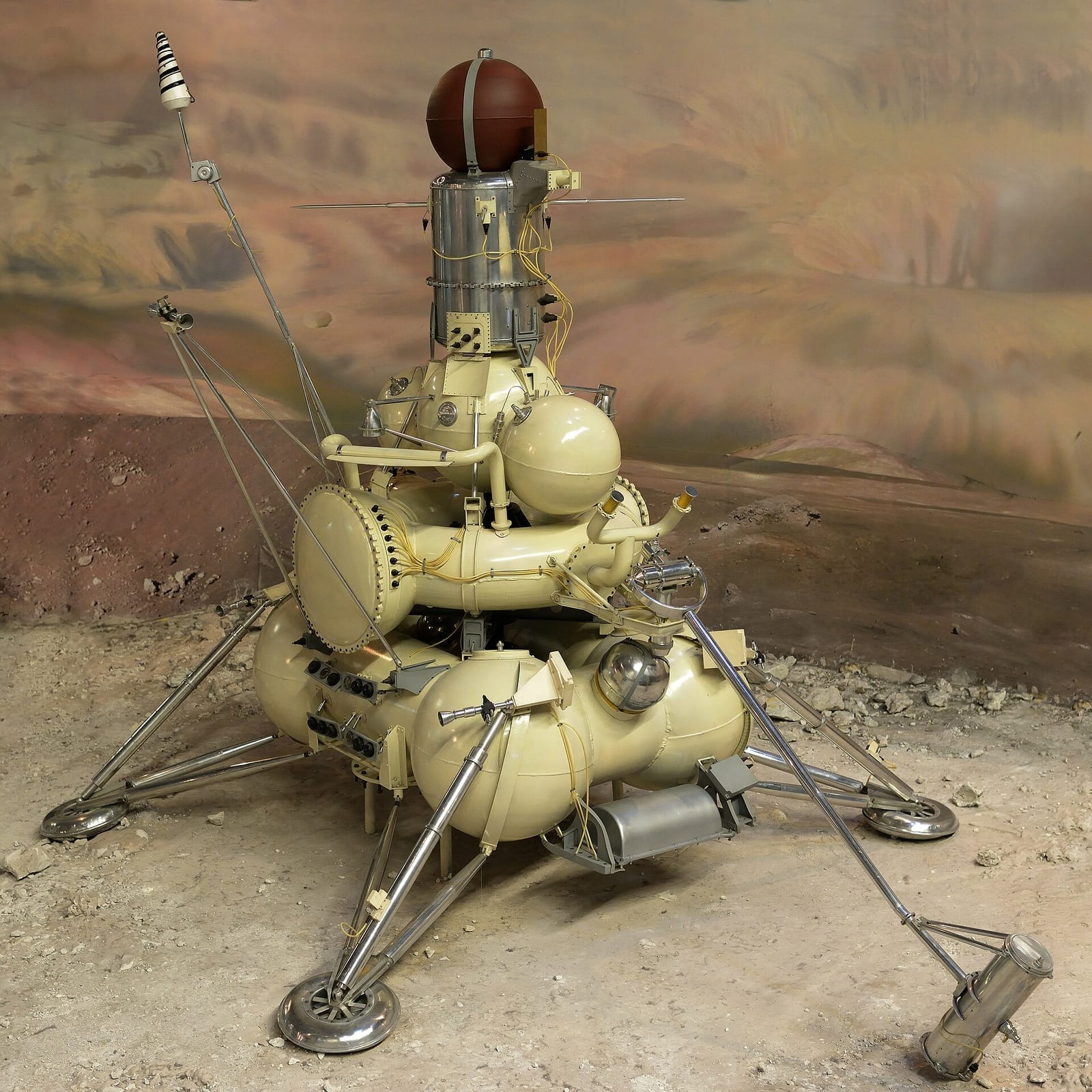
Luna 16
Luna 16 was the first robotic mission to bring a sample of the Moon back to Earth. Launched on 12 September 1970, it landed in Mare Fecunditatis (the Sea of Fertility) on 20 September 1970 and used a drill to collect about 101 grams of lunar soil.
An ascent stage then lifted off from the surface and returned the sealed sample capsule to Earth on 24 September 1970. It showed that automated sample return was possible, providing scientists with Moon material without a crew.
Key facts
- Operator
- USSR
- Type
- Sample-return lander
- Launch
- 12 Sep 1970
- Landing
- 20 Sep 1970
- Landing site
- Mare Fecunditatis
- Sample returned
- ~101 g
- Earth return
- 24 Sep 1970
Highlights
- First robotic (uncrewed) sample return from the Moon.
- Brought about 101 g of lunar soil back to Earth.
- Proved that fully automated sample return was achievable.
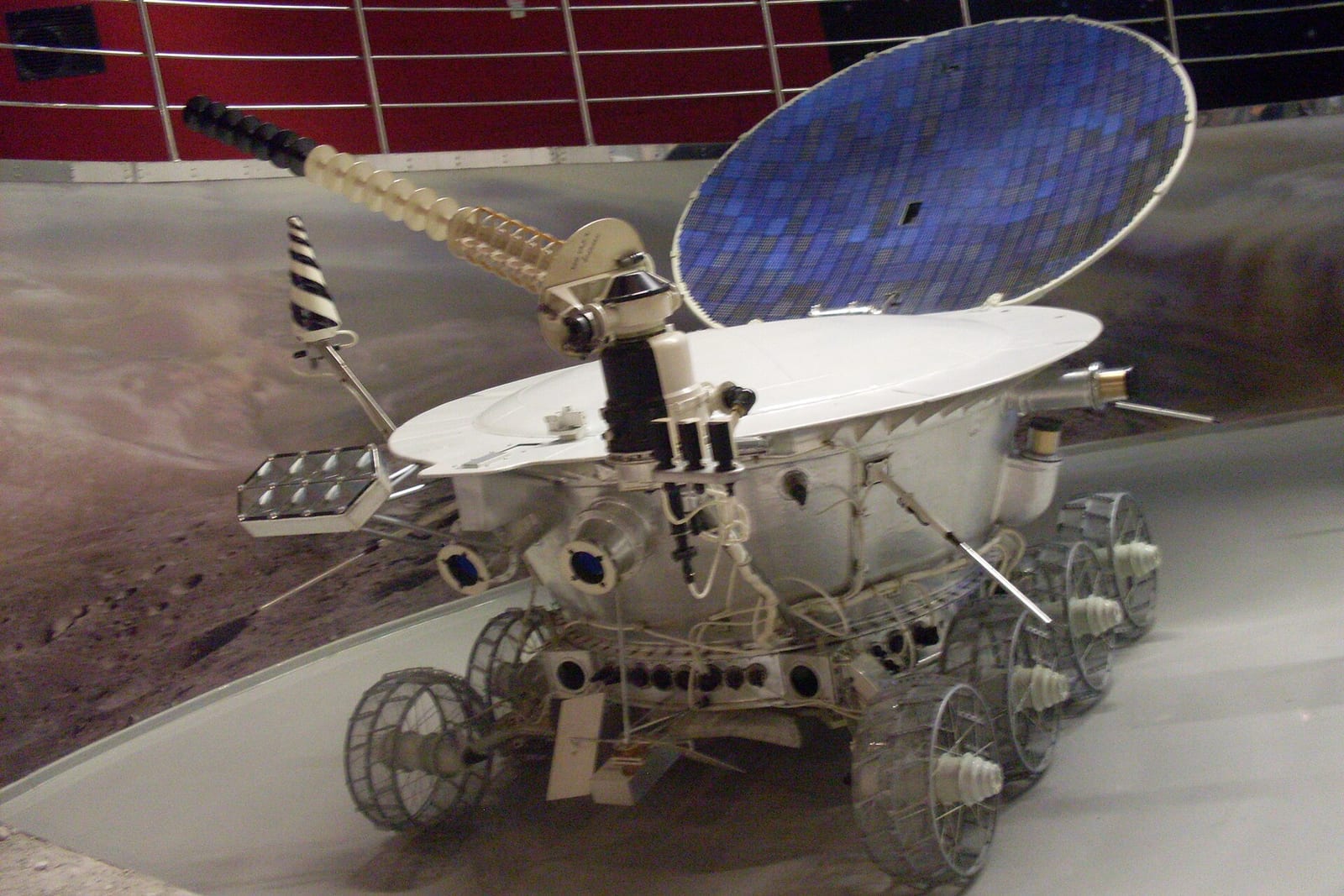
Luna 17 / Lunokhod 1
Luna 17 delivered Lunokhod 1, the first wheeled vehicle to rove across another world. The lander touched down in Mare Imbrium (the Sea of Rains) on 17 November 1970 and rolled the rover down onto the surface via ramps.
Driven by a team on Earth, the eight-wheeled rover operated for about ten months — far beyond its planned life — travelling more than 10 km, returning tens of thousands of images and analysing the soil. It ran on solar power by day and was kept warm through the frigid lunar night by a radioactive heat source.
Key facts
- Operator
- USSR
- Type
- Rover (Lunokhod 1)
- Launch
- 10 Nov 1970
- Landing
- 17 Nov 1970
- Landing site
- Mare Imbrium
- Distance driven
- 10+ km
- Duration
- ~10 months
Highlights
- First roving vehicle to operate on another world.
- Driven remotely by controllers on Earth.
- Drove more than 10 km across the Sea of Rains.
- Vastly outlived its planned mission.
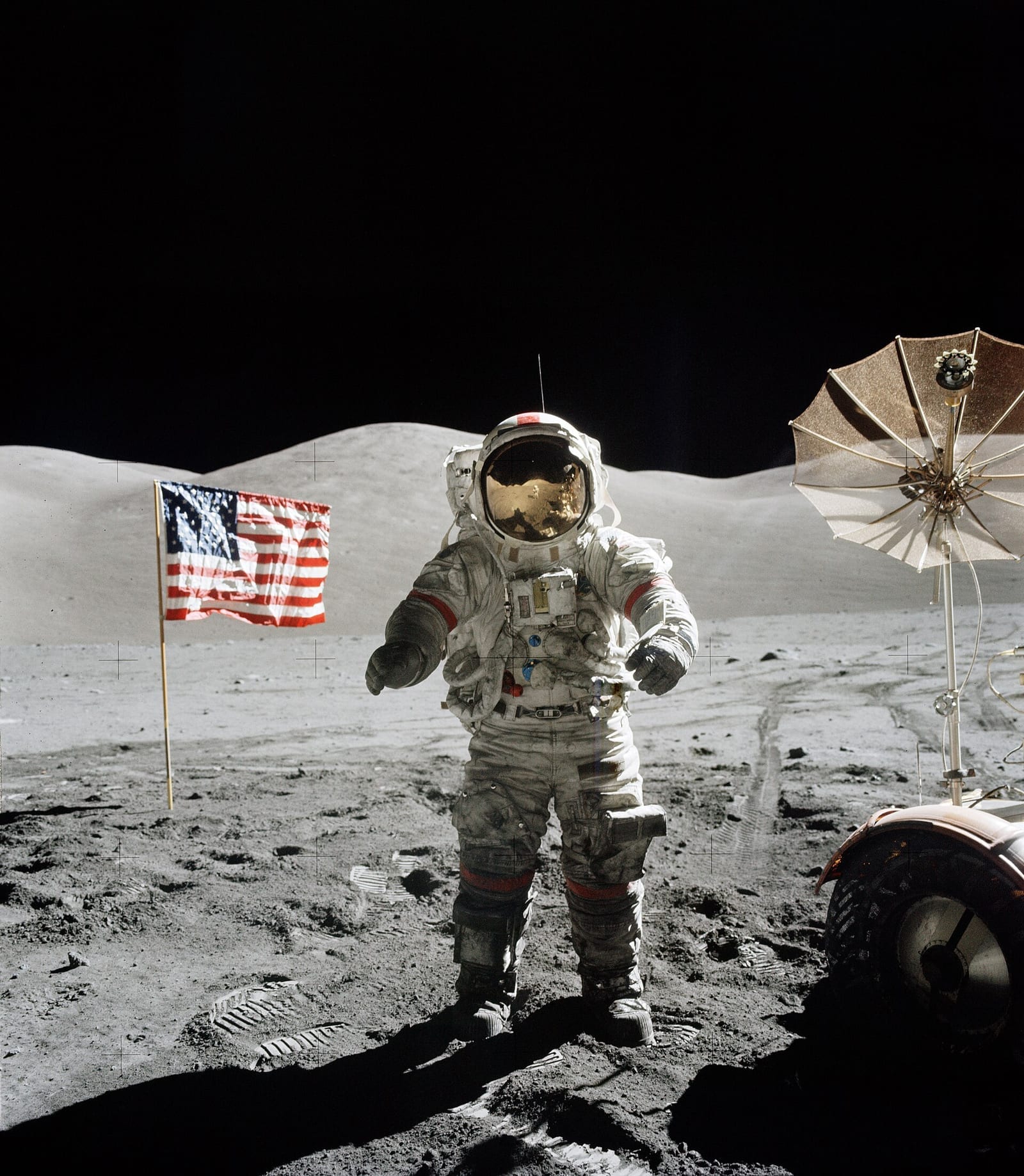
Apollo 17
Apollo 17 was the final crewed mission to the Moon. Launched on 7 December 1972, it landed in the Taurus–Littrow valley on 11 December 1972, chosen for its mix of ancient highlands and possible young volcanic material.
Commander Gene Cernan and geologist Harrison Schmitt — the only professional scientist to walk on the Moon — spent about three days on the surface, driving the Lunar Roving Vehicle and collecting roughly 111 kg of samples, including the famous 'orange soil.' Cernan was the last person to stand on the Moon in the twentieth century.
Key facts
- Operator
- NASA
- Type
- Crewed landing
- Launch
- 7 Dec 1972
- Landing
- 11 Dec 1972
- Landing site
- Taurus–Littrow valley
- Crew
- Cernan, Schmitt, Evans
- Samples returned
- ~111 kg
Highlights
- Last crewed mission to the Moon.
- Carried the only geologist to walk on the Moon, Harrison Schmitt.
- Longest Apollo surface stay and largest sample haul.
- Discovered the striking 'orange soil' of volcanic glass beads.
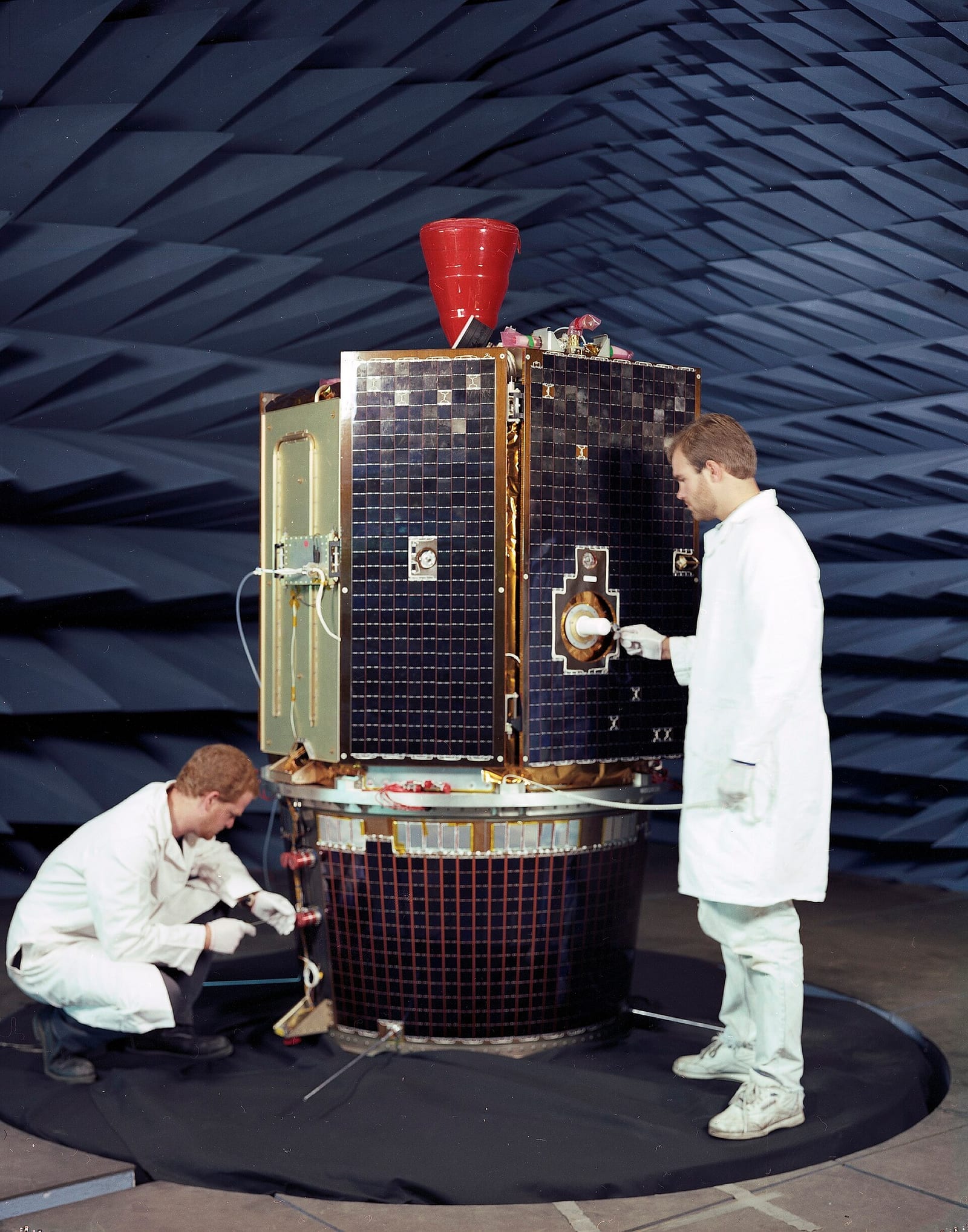
Clementine
A joint NASA and US defense mission that mapped the whole Moon in 1994; its radar experiment produced the first tentative hints of ice at the lunar poles.
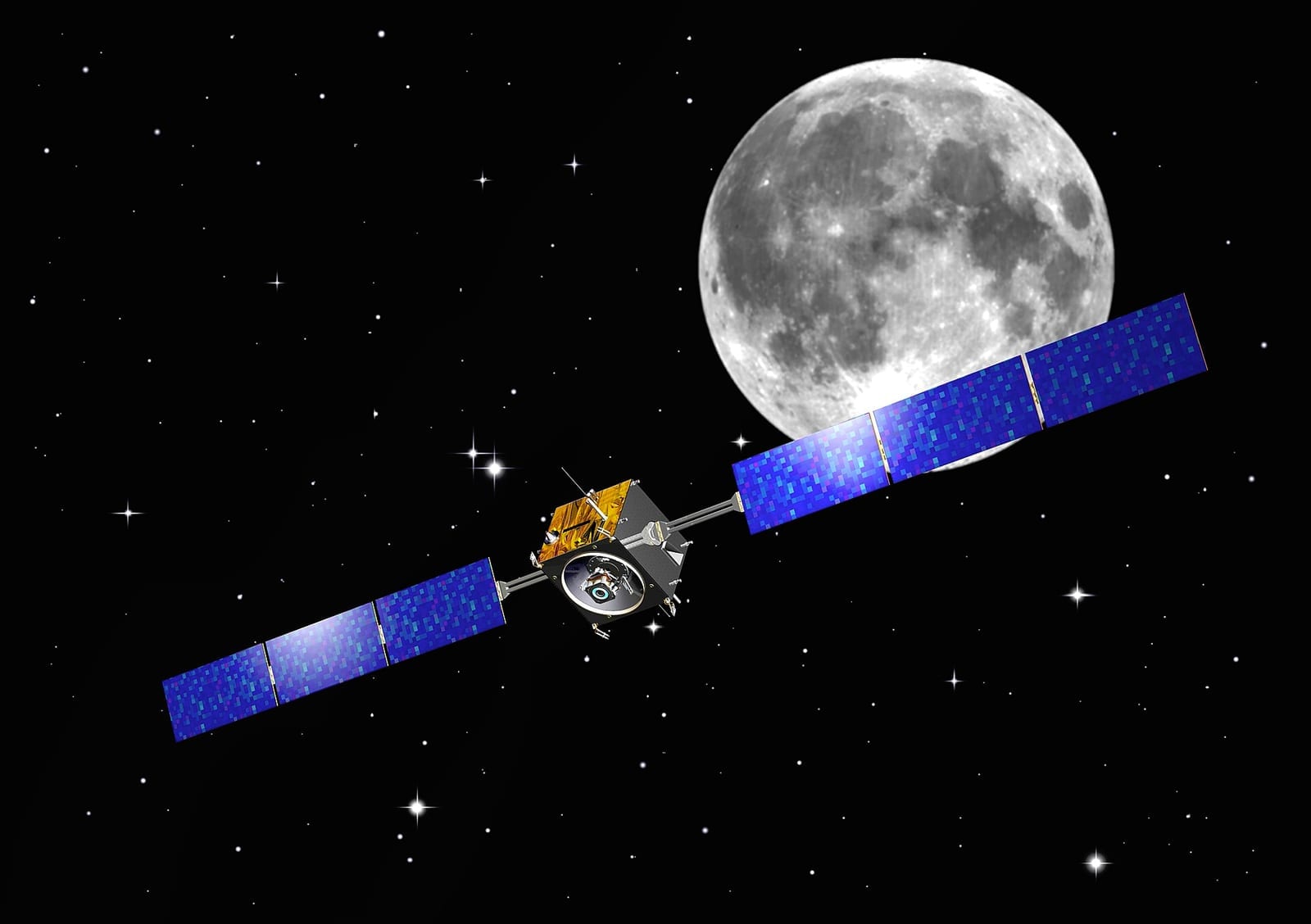
SMART-1
Europe's first mission to the Moon, which spiralled out to lunar orbit on a solar-powered ion engine — a landmark test of electric propulsion.
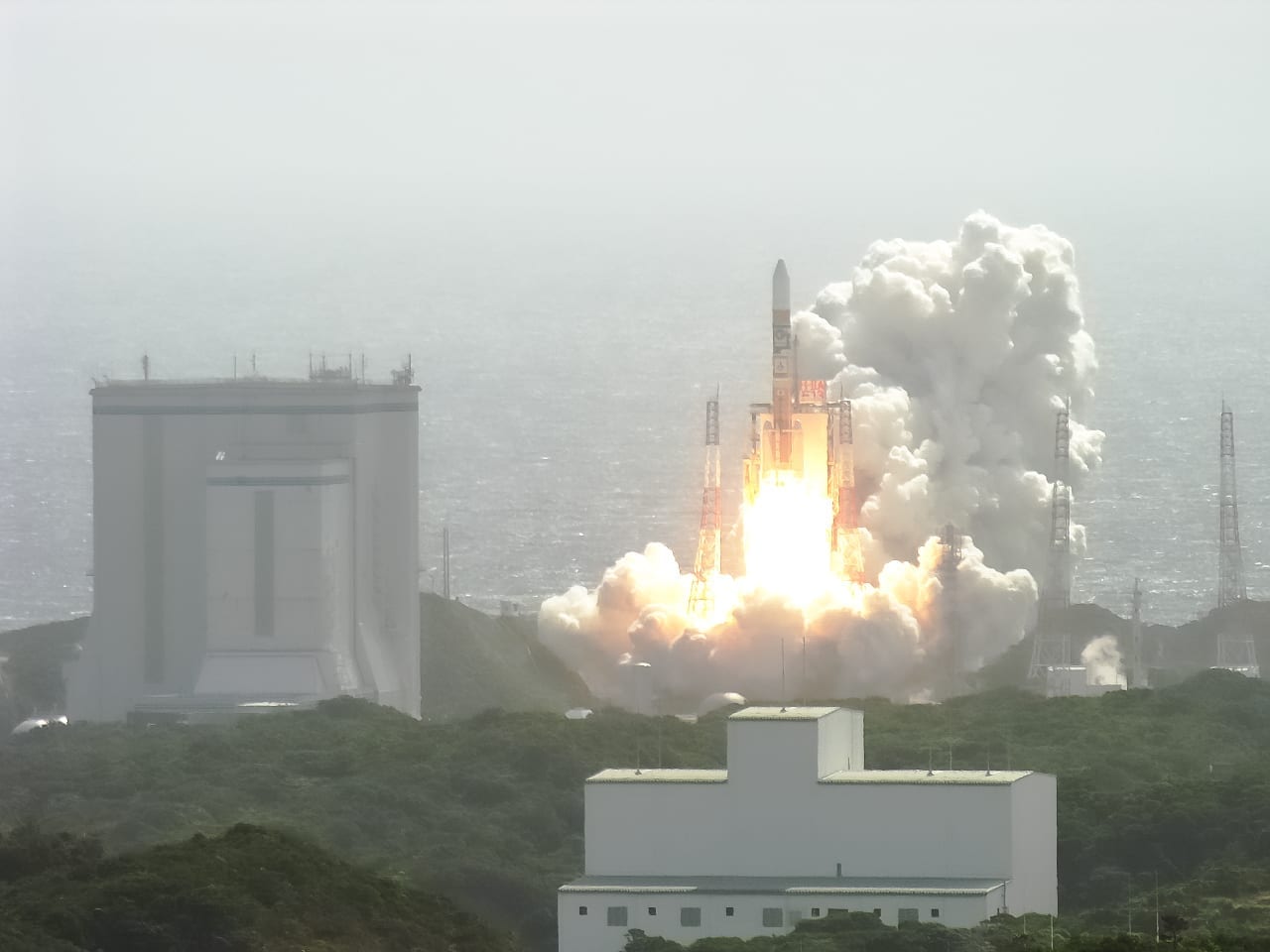
Kaguya (SELENE)
Japan's largest lunar mission since Apollo; mapped the Moon's topography and gravity in detail and shot the first high-definition video of the surface.
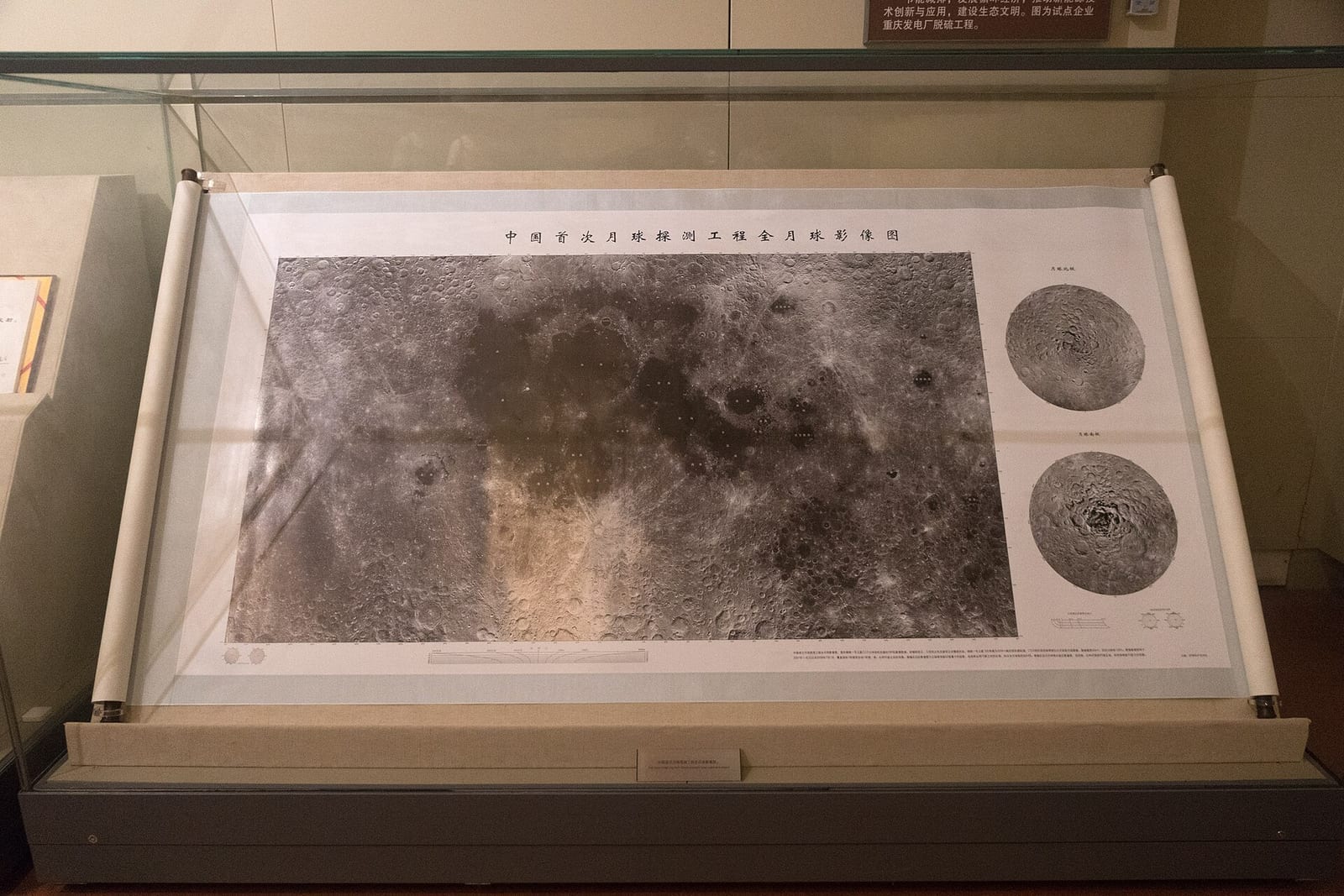
Chang'e 1
China's first lunar mission, an orbiter that produced a full-Moon image map before ending with a controlled impact on the surface.
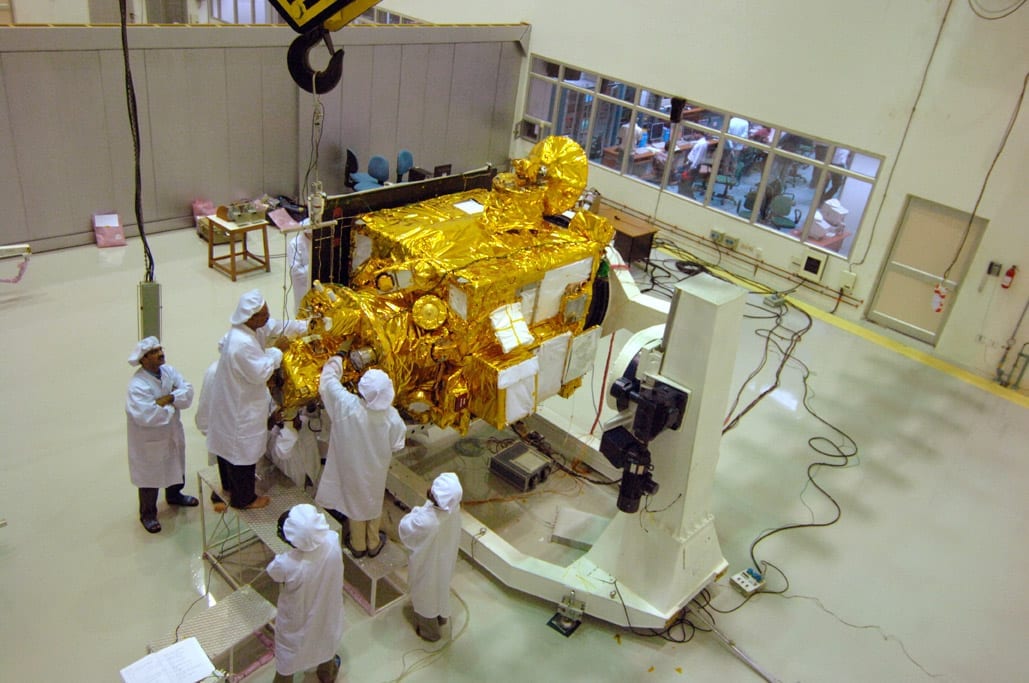
Chandrayaan-1
India's first lunar mission; its instruments, including NASA's Moon Mineralogy Mapper, detected the signature of water molecules across the lunar surface.
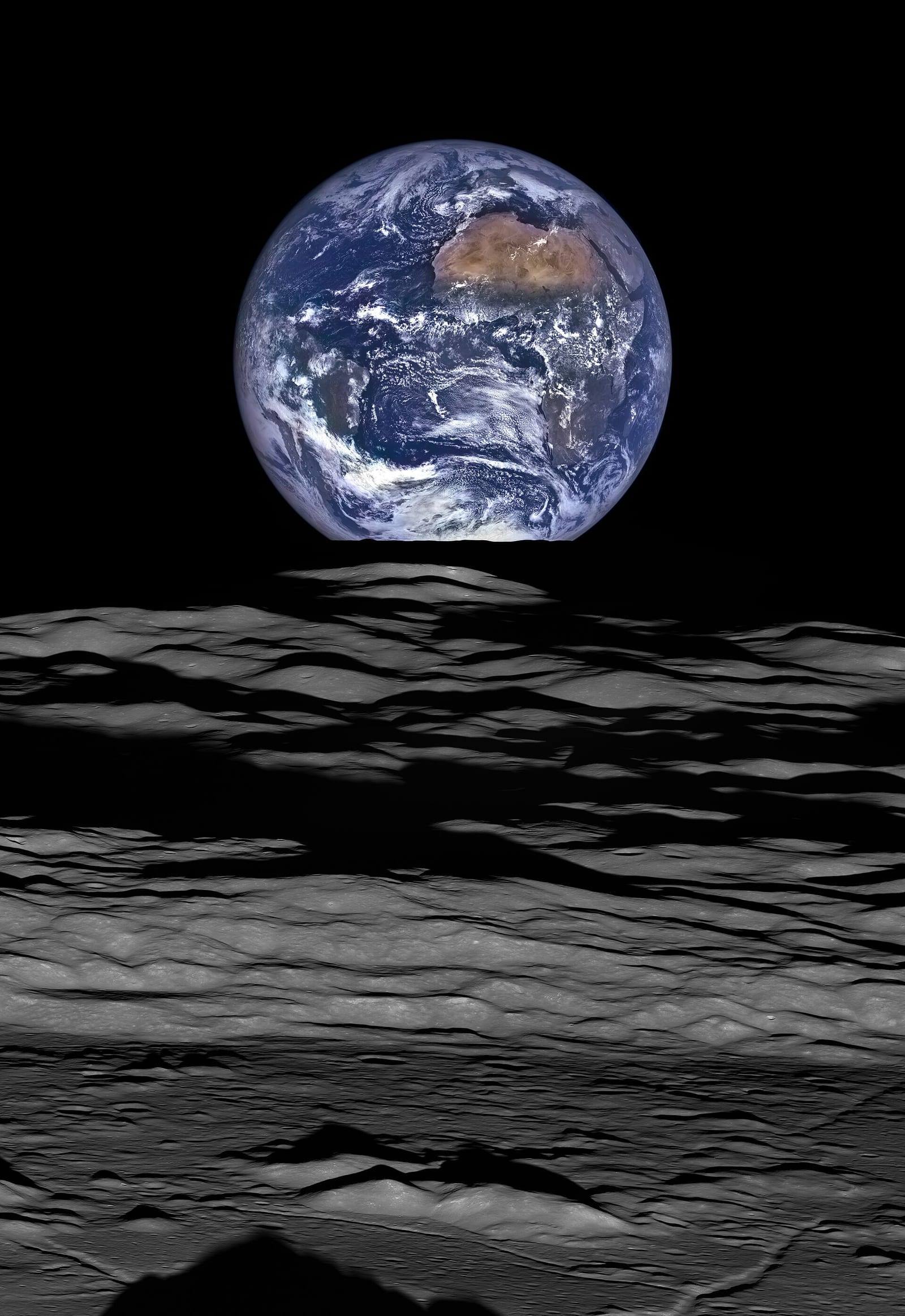
Lunar Reconnaissance Orbiter
The Lunar Reconnaissance Orbiter reached the Moon in June 2009 and has been mapping it ever since, making it one of the most productive lunar missions ever flown. It was built to scout the surface for future exploration and to study the Moon in unprecedented detail.
Its cameras have imaged the entire Moon — including the Apollo landing sites, where the descent stages and astronaut tracks are visible — while its laser altimeter built precise global topography and other instruments probed the permanently shadowed polar craters that trap ice. Its data underpins planning for the Artemis program.
Key facts
- Operator
- NASA
- Type
- Orbiter
- Launch
- 18 Jun 2009
- Orbit insertion
- 23 Jun 2009
- Key instruments
- LROC, LOLA, Diviner
- Status
- Active
Highlights
- Mapped the entire Moon in high resolution.
- Imaged the Apollo landing sites from orbit.
- Probed the permanently shadowed polar craters for ice.
- Still operating more than a decade on, guiding Artemis planning.
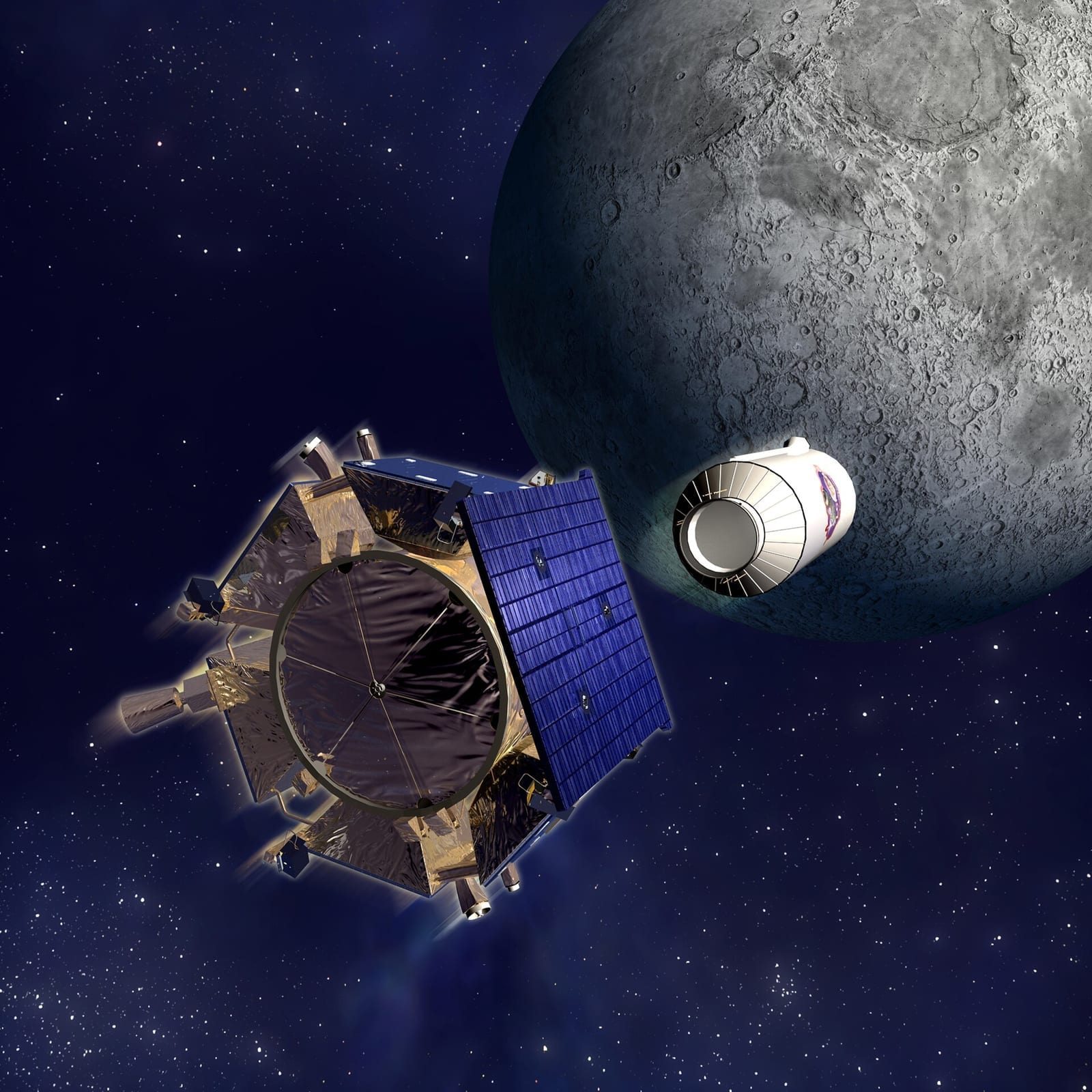
LCROSS
Deliberately crashed a spent rocket stage into a permanently shadowed south-polar crater in 2009; analysis of the debris plume confirmed water ice on the Moon.
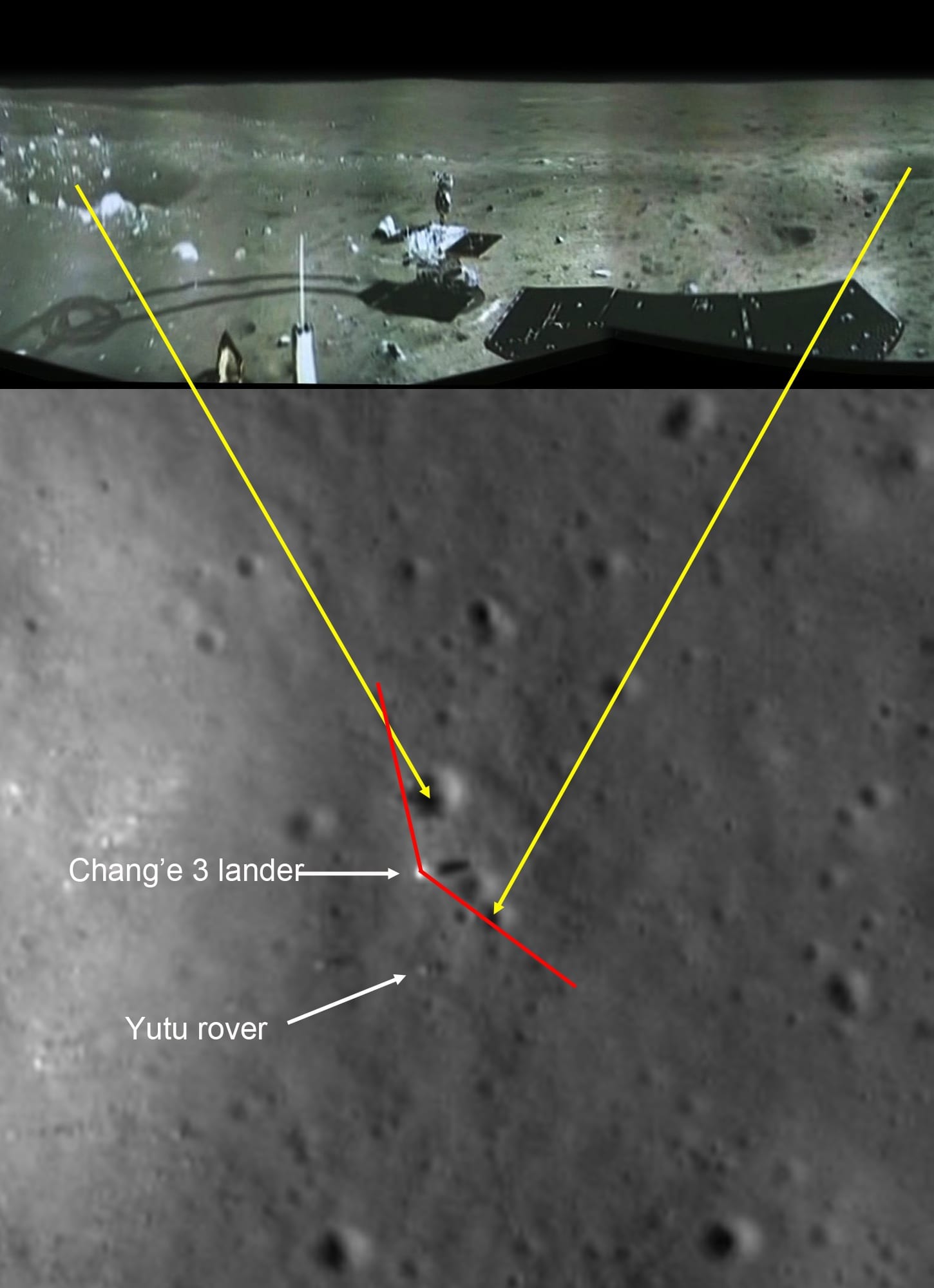
Chang'e 3 / Yutu
China's first soft landing on the Moon, and the first anywhere since 1976; it deployed the Yutu ('Jade Rabbit') rover into Mare Imbrium.
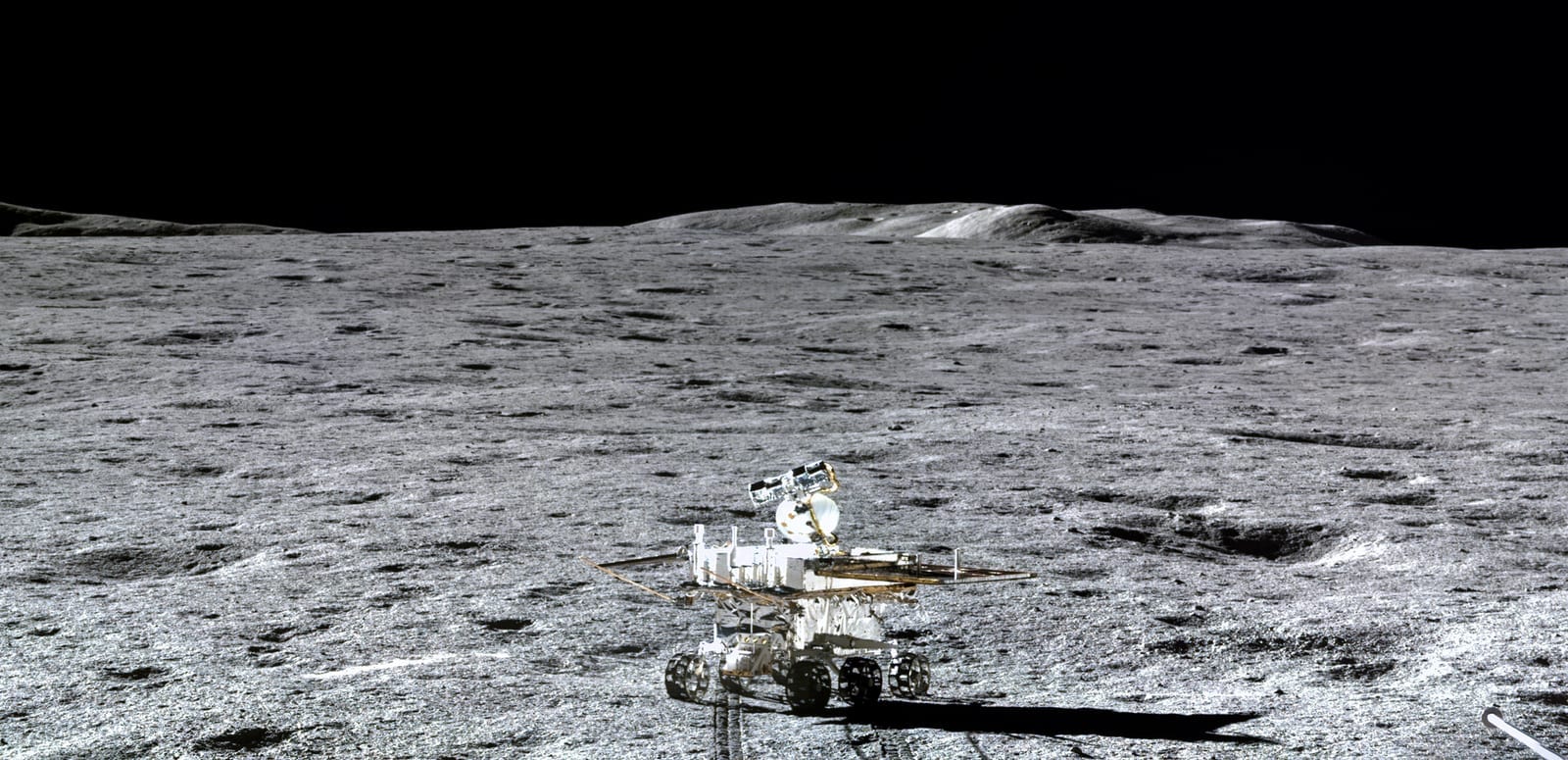
Chang'e 4 / Yutu-2
Chang'e 4 made the first-ever soft landing on the far side of the Moon, touching down in Von Kármán crater within the vast South Pole–Aitken basin in January 2019. Because the far side never faces Earth, the mission relies on the Queqiao relay satellite, stationed beyond the Moon, to pass signals home.
The mission deployed the Yutu-2 rover, which has become the longest-operating rover on the Moon, studying the layered subsurface and the unusual geology of the far side far beyond its original design life.
Key facts
- Operator
- CNSA
- Type
- Lander + rover (Yutu-2)
- Landing
- 3 Jan 2019
- Landing site
- Von Kármán crater (far side)
- Relay
- Queqiao satellite
- Rover
- Yutu-2
Highlights
- First soft landing on the far side of the Moon.
- Used a dedicated relay satellite to communicate with Earth.
- Yutu-2 became the longest-operating rover on the Moon.
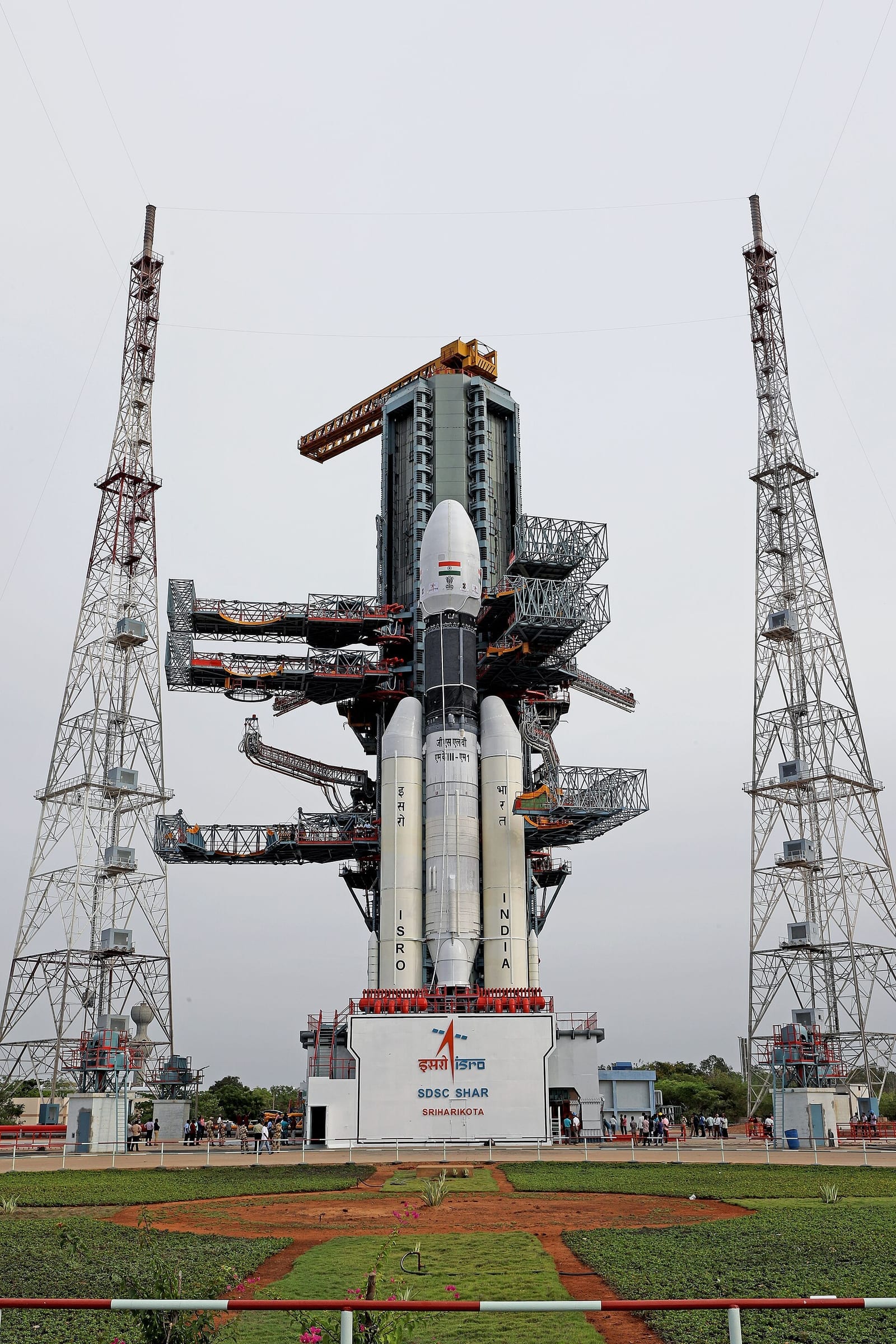
Chandrayaan-2
India's second lunar mission: the orbiter reached the Moon and continues to operate, though its Vikram lander was lost during the 2019 descent.
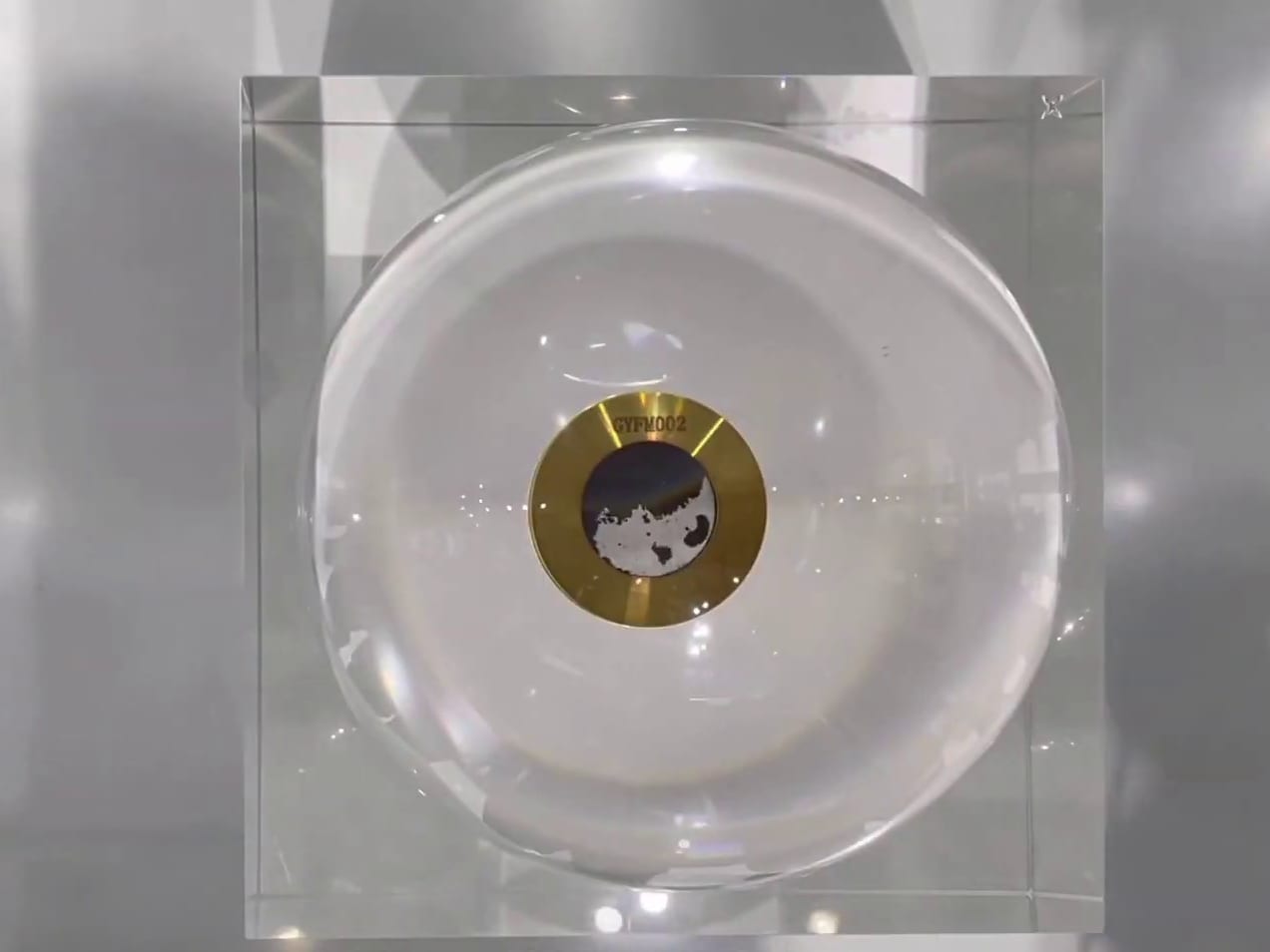
Chang'e 5
Returned the first lunar samples in over four decades, bringing roughly 1.7 kg of rock and soil from Oceanus Procellarum back to Earth in 2020.
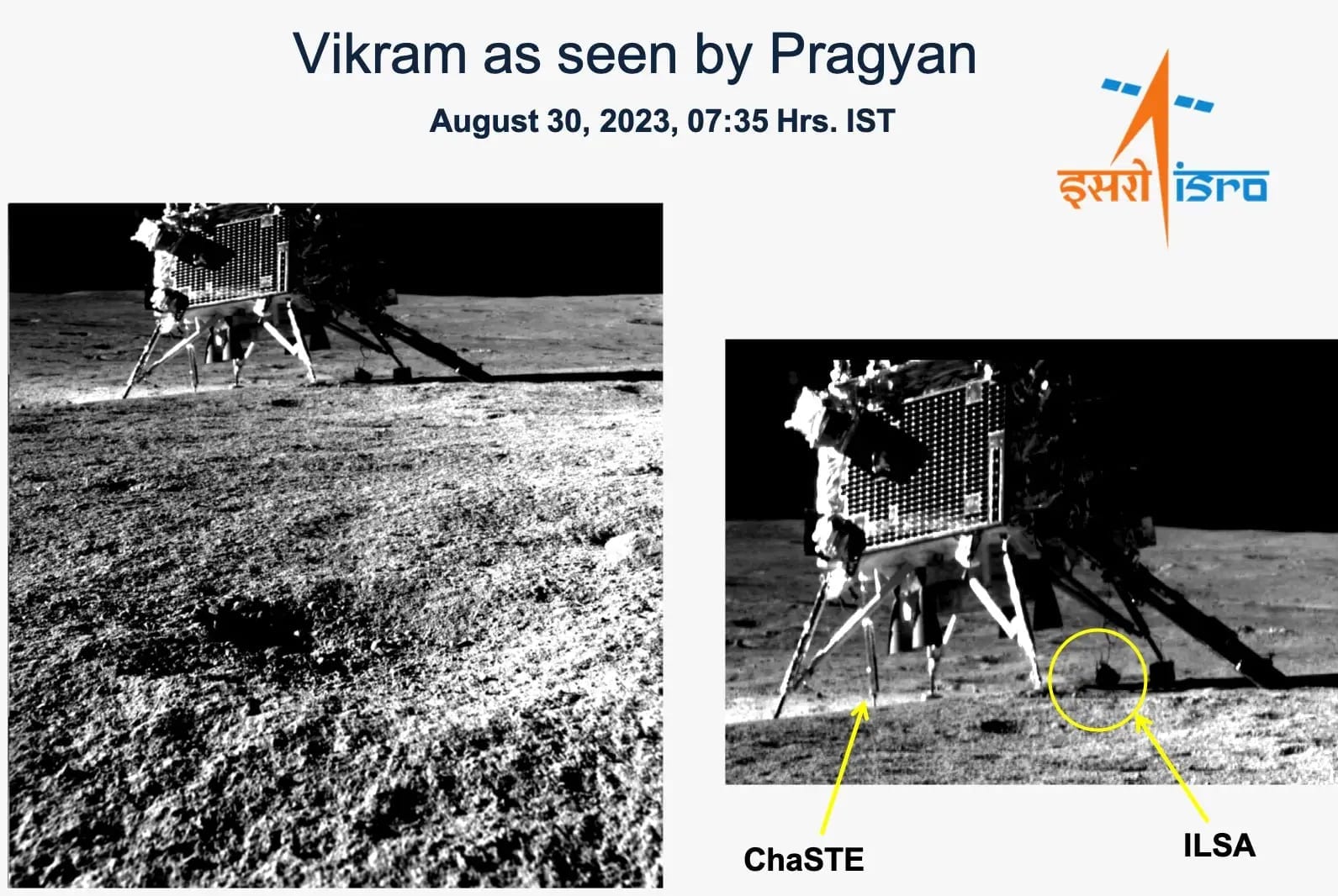
Chandrayaan-3
Chandrayaan-3 made India the fourth nation to soft-land on the Moon and the first to touch down in the south-polar region. Launched on 14 July 2023, its Vikram lander set down near 69° south on 23 August 2023 — a triumphant follow-up after the Chandrayaan-2 lander was lost in 2019.
The lander released the small Pragyan rover, which studied the regolith and confirmed the presence of sulfur and other elements near the pole. Both operated through a single lunar day of roughly two weeks and, as planned for the short mission, did not reawaken after the deep cold of the lunar night.
Key facts
- Operator
- ISRO
- Type
- Lander + rover (Pragyan)
- Launch
- 14 Jul 2023
- Landing
- 23 Aug 2023
- Landing site
- South-polar region (~69°S)
- Outcome
- First south-polar soft landing
Highlights
- Made India the fourth nation to soft-land on the Moon.
- First landing in the lunar south-polar region.
- Deployed the Pragyan rover and confirmed sulfur in the soil.
- A redemption after the Chandrayaan-2 landing loss.
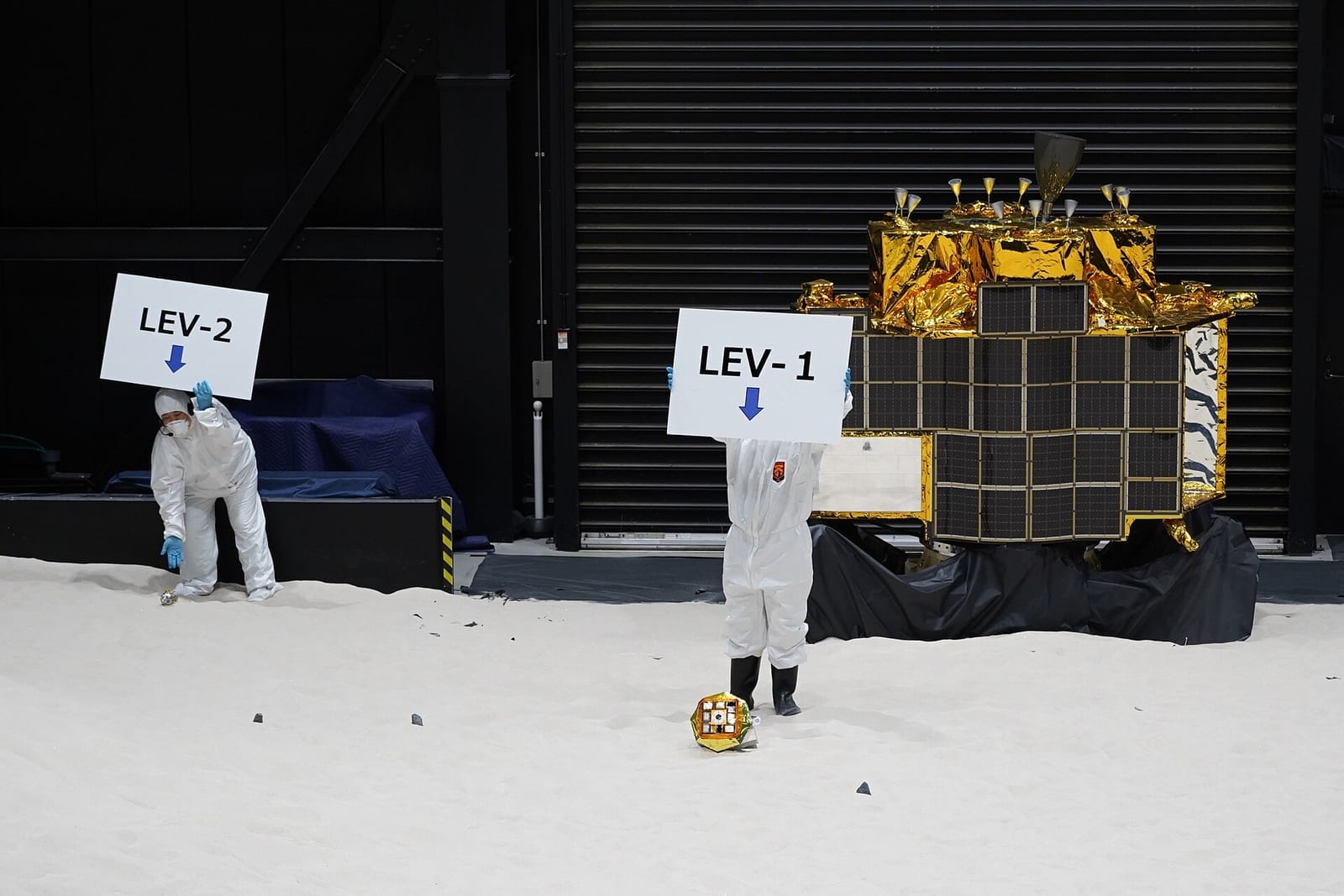
SLIM
Japan's 'Moon Sniper' demonstrated pinpoint landing, touching down within metres of its target in 2024 and making Japan the fifth nation to soft-land on the Moon.
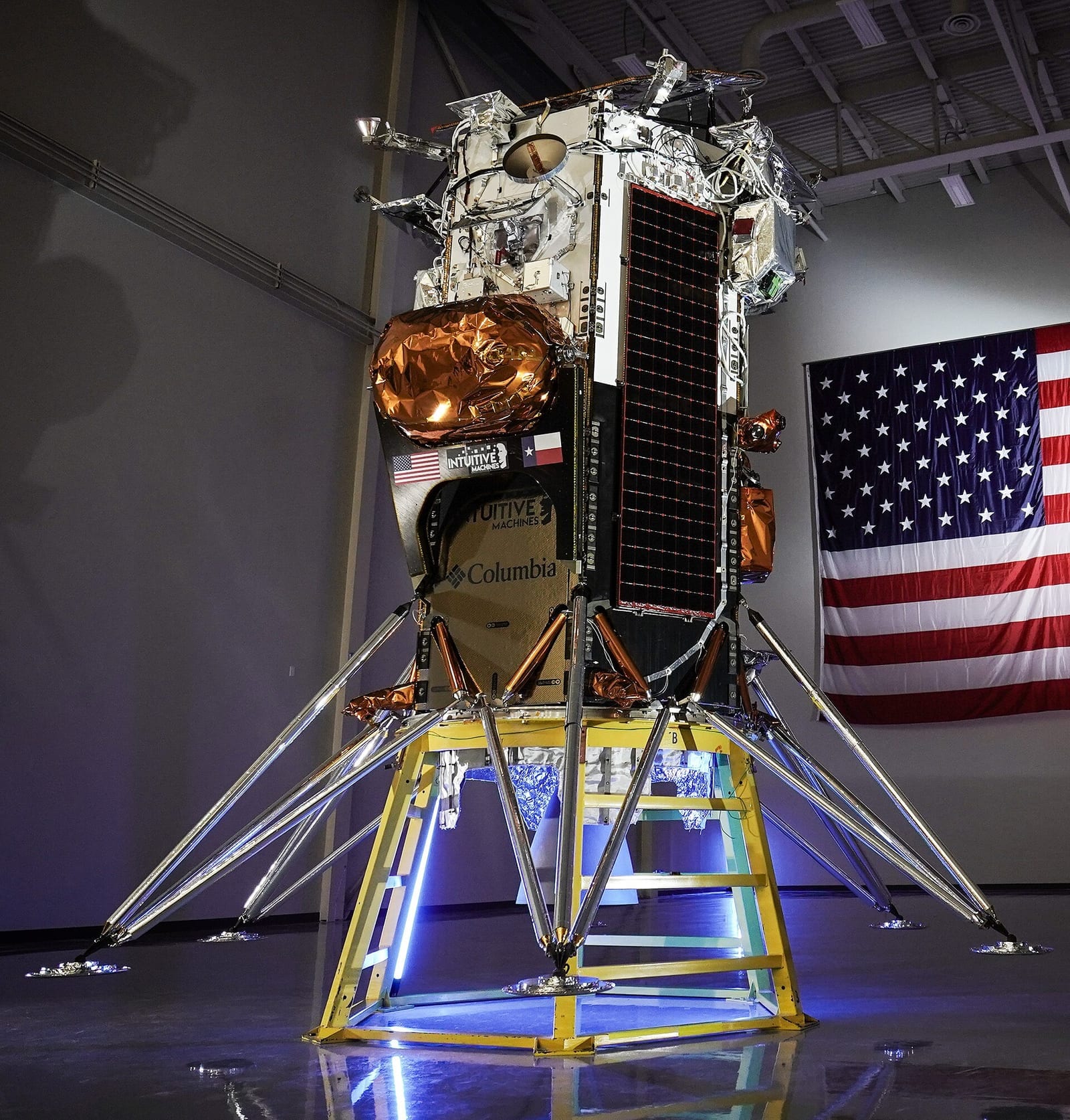
IM-1 Odysseus
The first commercial spacecraft to soft-land on the Moon, and the first US landing since Apollo; it touched down near the south pole in 2024 and tipped onto its side.
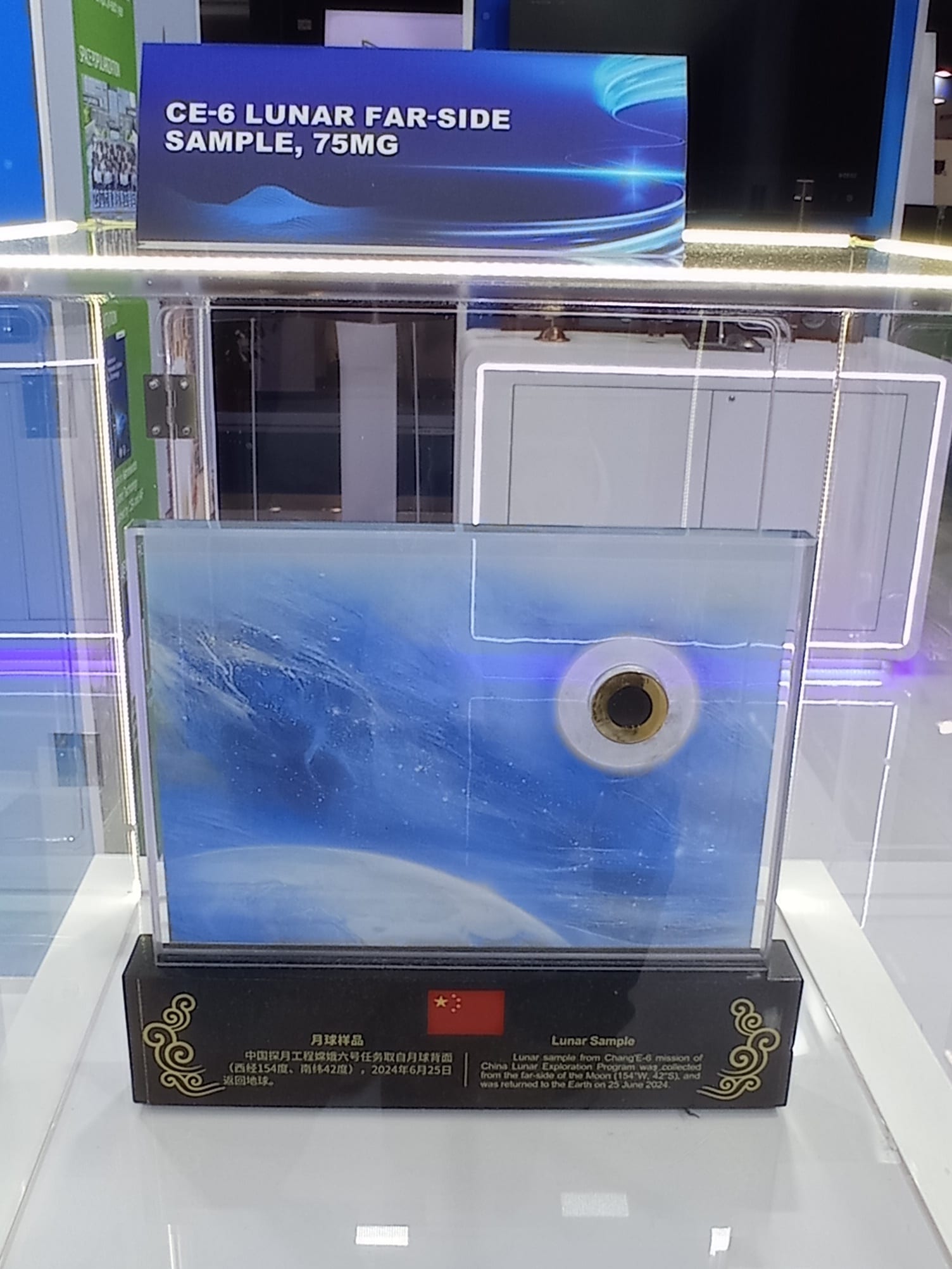
Chang'e 6
Achieved the first-ever sample return from the far side of the Moon, bringing back roughly 1.9 kg of material from the South Pole–Aitken basin in 2024.
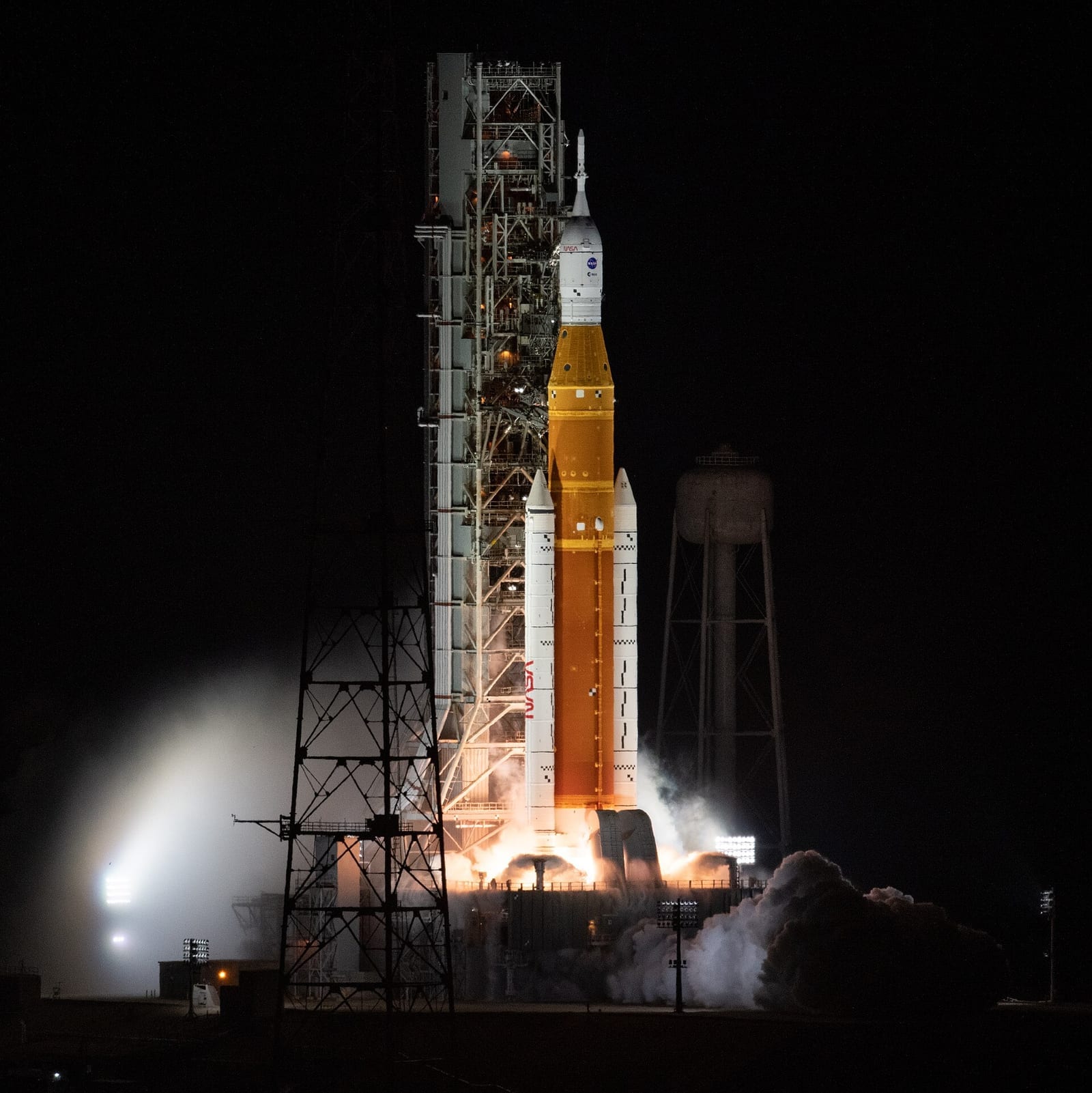
Artemis I
Artemis I was the uncrewed maiden flight of NASA's Artemis program, launched on 16 November 2022. It was the first flight of the powerful Space Launch System rocket and the first time the Orion crew capsule flew beyond the Moon.
Orion travelled into a distant retrograde orbit around the Moon, venturing farther from Earth than any spacecraft built to carry humans had gone before, then returned for a Pacific splashdown on 11 December 2022. The successful test cleared the way for the crewed Artemis flights to follow.
Key facts
- Operator
- NASA
- Type
- Uncrewed test flight (SLS / Orion)
- Launch
- 16 Nov 2022
- Splashdown
- 11 Dec 2022
- Profile
- Distant retrograde lunar orbit
- Crew
- Uncrewed
Highlights
- First flight of the SLS rocket and the Orion capsule.
- Orion flew farther from Earth than any human-rated craft before it.
- An uncrewed dress rehearsal for crewed Artemis missions.
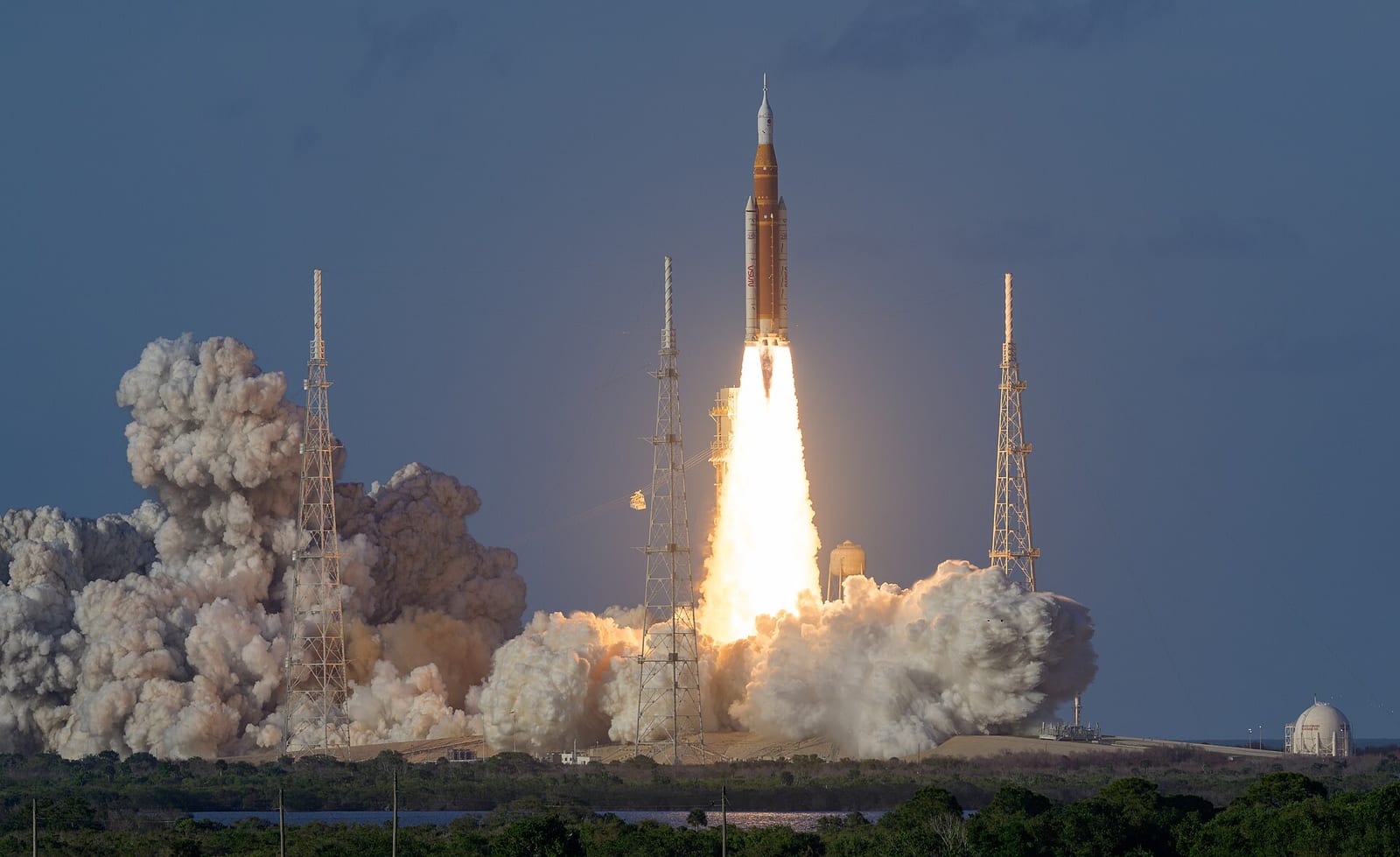
Artemis II
Artemis II was the first crewed flight of NASA's Artemis program and the first mission to carry people to the Moon since Apollo 17 in 1972. The Space Launch System lifted off from Launch Complex 39B at Kennedy Space Center on 1 April 2026 at 6:35 p.m. EDT with Reid Wiseman, Victor Glover and Christina Koch of NASA and Jeremy Hansen of the Canadian Space Agency aboard.
Orion did not enter lunar orbit: it followed a free-return path that swung around the Moon on 6 April, passing about 4,067 miles (6,500 km) above the surface and reaching 252,756 miles (roughly 406,800 km) from Earth — farther than any crew had travelled before, beating the record Apollo 13 set in 1970. The crew returned more than 7,000 images of the Moon and watched it eclipse the Sun from Orion's windows.
After nearly ten days and 695,081 miles of flight, Orion splashed down in the Pacific off San Diego on 10 April 2026 at 5:07 p.m. PDT, where a joint NASA and US Navy team recovered the crew. NASA has said the flight clears the way for assembling the missions that follow.
Key facts
- Operator
- NASA (with CSA)
- Type
- Crewed lunar flyby (SLS / Orion)
- Launch
- 1 Apr 2026, 6:35 p.m. EDT, LC-39B
- Lunar flyby
- 6 Apr 2026, ~4,067 mi (6,500 km) above the surface
- Farthest from Earth
- 252,756 mi (~406,800 km) — crewed record
- Splashdown
- 10 Apr 2026, Pacific off San Diego
- Duration
- Nearly 10 days; 695,081 mi flown
- Crew
- Wiseman, Glover, Koch, Hansen (CSA)
Highlights
- First crew to travel to the Moon since 1972.
- Farthest humans have ever been from Earth, past Apollo 13's record.
- Over 7,000 lunar images, plus a solar eclipse seen from lunar distance.
Artemis III
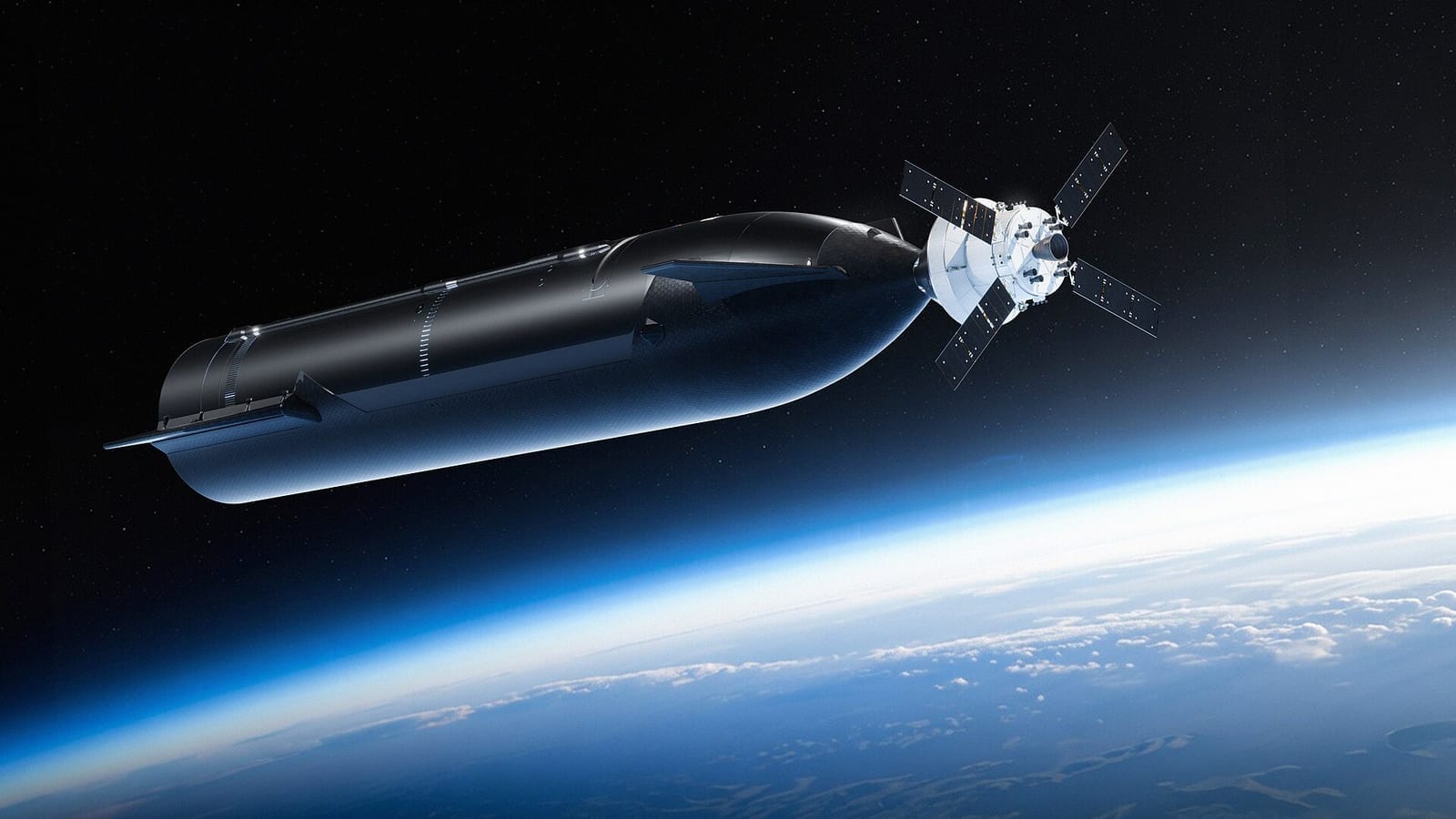
Reassigned in February 2026 to a crewed test flight in Earth orbit: Orion is to rendezvous and dock with test versions of the Blue Origin and SpaceX landers and check out the new spacesuits before any landing. Targeted for 2027, not confirmed.
Artemis IV
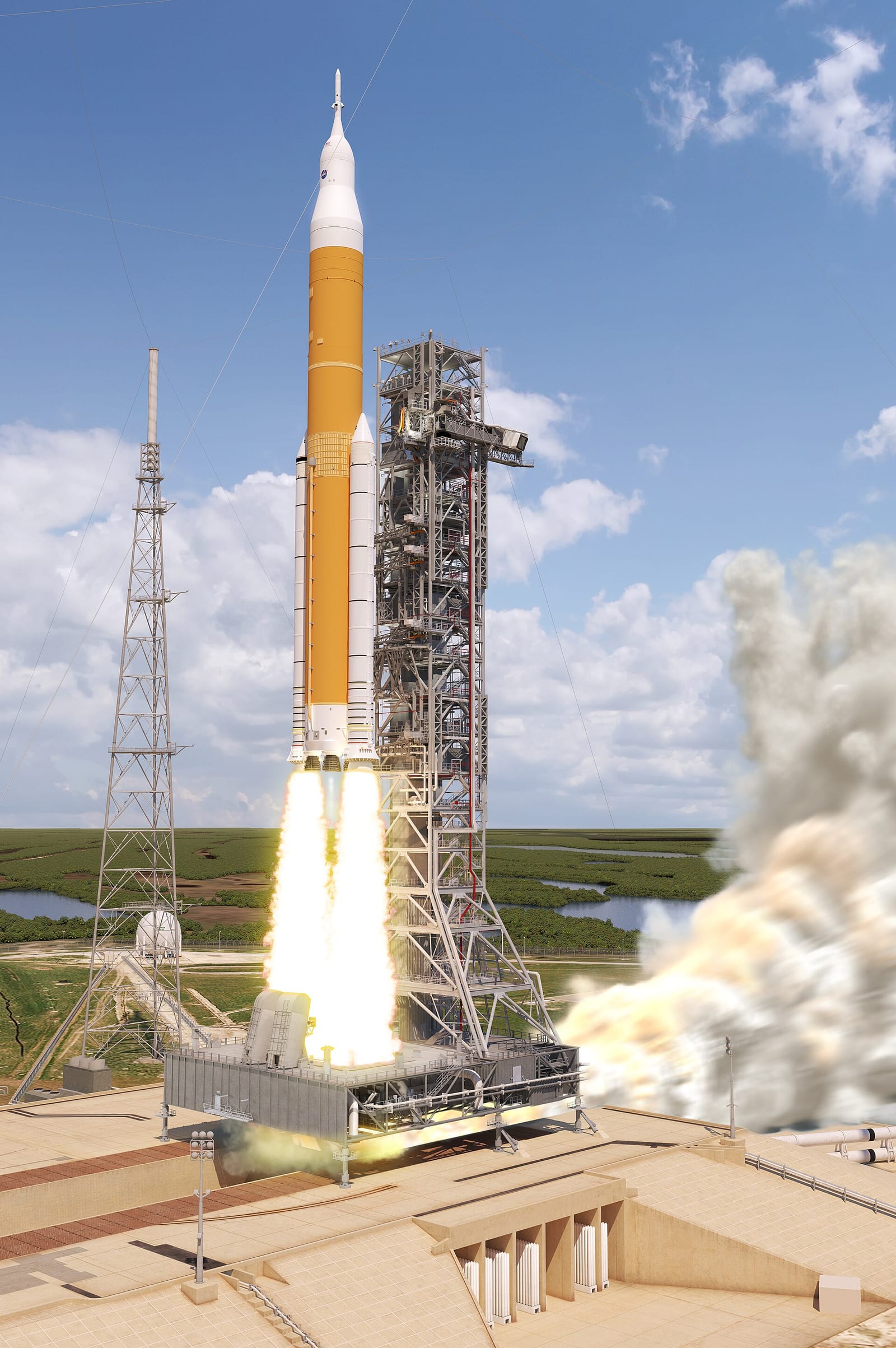
Now the mission meant to carry the first crewed landing since Apollo, to the lunar south pole on a commercial human landing system. NASA targets 2028 and about one landing a year after it; the date is a target, not a confirmed launch.